






What's Happening?
A recent report by the American Lung Association (ALA) reveals that nearly half of the children in the United States are exposed to dangerous levels of air pollution. The report, which evaluates pollution across the country, grades levels of ground-level
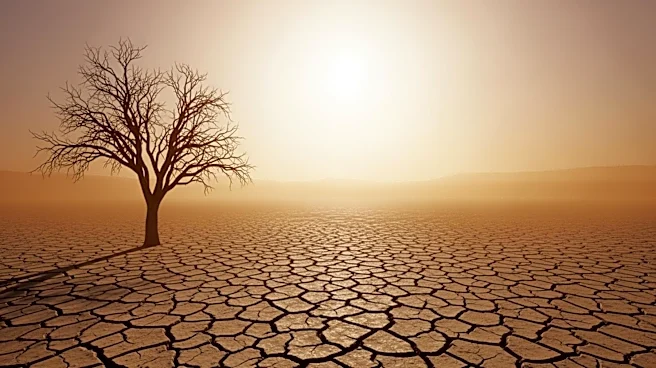
ozone and particle pollution. It found that 33.5 million children, or 46% of those under 18, live in areas with failing grades for at least one measure of air pollution. Additionally, 7 million children live in communities that failed all three pollution measures. The report highlights that communities of color are disproportionately affected, with people of color making up 54.2% of those living in counties with at least one failing grade. The report also notes that climate change is exacerbating ozone pollution, with factors such as extreme heat, drought, and wildfires contributing to unhealthy pollution levels.
Why It's Important?
The findings of the ALA report underscore significant public health concerns, particularly for children whose developing lungs are more vulnerable to pollution. Long-term exposure to air pollution can lead to developmental harm, new cases of asthma, and increased risks of respiratory illnesses. The report also points to the broader implications of environmental policy rollbacks under the Trump administration, which have weakened protections against air pollution. These rollbacks include loosening regulations on power plants and overturning limits on major air pollution sources. The disproportionate impact on communities of color raises concerns about environmental justice and the need for equitable health protections.
What's Next?
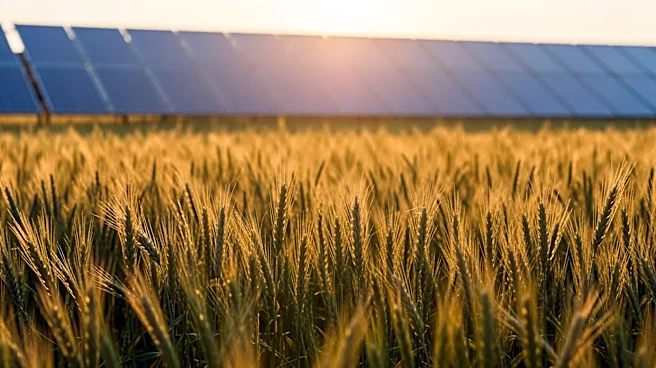
The report calls for a focus on non-combustion, clean renewable energy sources to mitigate the impact of datacenters, which are a growing source of air pollution. It also highlights the need for stronger environmental policies to protect public health, particularly for vulnerable populations such as children and communities of color. The findings may prompt advocacy for stricter air quality standards and increased investment in renewable energy. Policymakers and environmental groups are likely to use this report to push for legislative and regulatory changes to address air pollution and its health impacts.