








What's Happening?
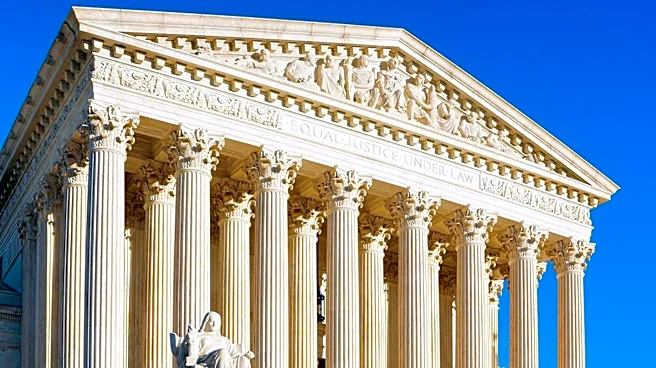
The U.S. Supreme Court has upheld state laws in Idaho and West Virginia that bar transgender girls from participating in women's and girls' sports teams. This decision, delivered in a 6-3 opinion by Justice Brett M. Kavanaugh, supports the notion that inherent
physical differences between males and females are relevant to athletic performance, thus justifying the exclusion of transgender girls from female sports teams. The ruling reinstates bans that had been previously overturned by federal judges and affects similar laws in 25 other states. The decision is part of a broader conservative campaign against transgender rights, which has included executive orders and policies from President Trump aimed at limiting transgender individuals' rights in various sectors, including healthcare and military service.
Why It's Important?
This ruling has significant implications for gender equality in sports and the rights of transgender individuals. By upholding these bans, the Supreme Court has reinforced a legal framework that could limit the participation of transgender athletes, potentially affecting their mental health and social inclusion. The decision reflects ongoing societal debates about gender identity and fairness in sports, with proponents arguing for the protection of competitive fairness and opponents highlighting the discriminatory nature of such bans. The ruling may embolden further legislative efforts to restrict transgender rights, impacting a vulnerable population that already faces significant social and legal challenges.
What's Next?
The Supreme Court's decision is likely to prompt further legal challenges and debates over the rights of transgender individuals in sports and other areas. Advocacy groups may seek to challenge these laws in other jurisdictions, while states with similar bans may feel validated to enforce or expand their policies. The ruling could also influence public opinion and policy-making at both state and federal levels, potentially leading to new legislation or executive actions aimed at either reinforcing or countering the court's decision. The broader cultural and legal battles over transgender rights are expected to continue, with significant implications for civil rights and social justice in the U.S.
Beyond the Headlines
The decision underscores deeper societal tensions regarding gender identity and the role of government in regulating personal identity and rights. It raises ethical questions about the balance between protecting competitive fairness in sports and ensuring inclusivity and equality for all individuals, regardless of gender identity. The ruling may also influence international perceptions of U.S. policies on gender and human rights, potentially affecting diplomatic relations and the country's standing in global human rights discussions.