






What's Happening?
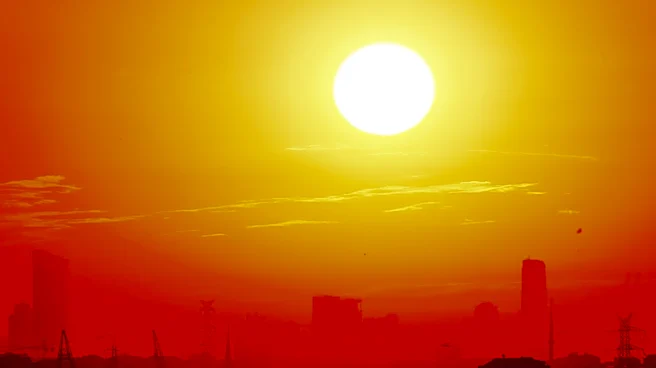
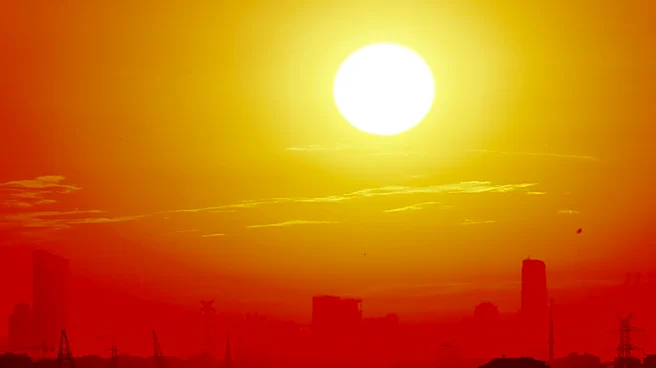
A heat dome is causing dangerously high temperatures across the central United States, affecting approximately 80 million people. The phenomenon, which traps heat in the atmosphere, is leading to sustained high temperatures and increased discomfort, with
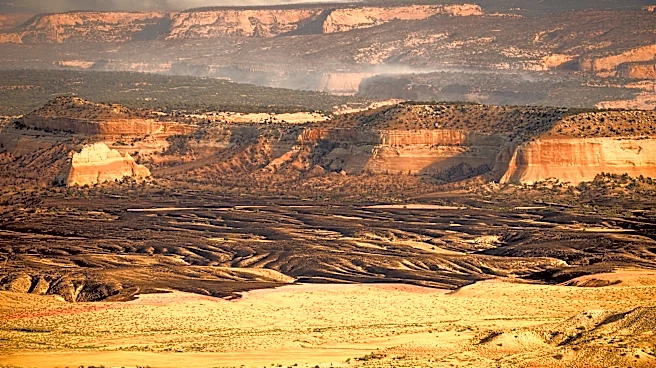
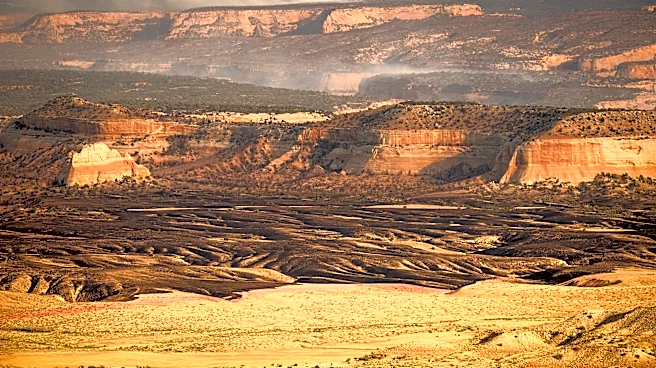
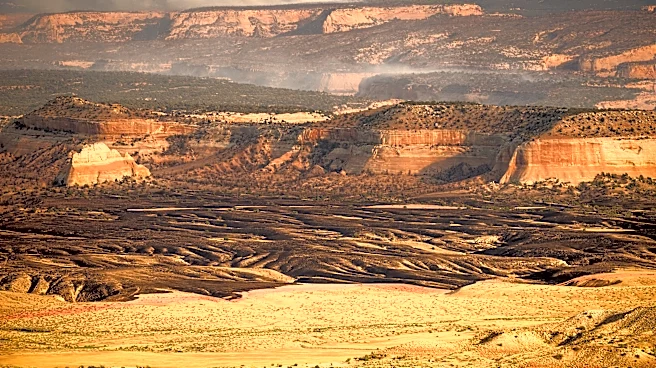
overnight lows not providing much relief. The heat wave is impacting a vast area from the desert Southwest to the Gulf Coast and into the Midwest and Great Plains. Meteorologists warn that the heat dome will remain stationary, exacerbating conditions throughout the week. Areas like western Nebraska are experiencing extreme heat warnings, with temperatures reaching up to 108°F.
Why It's Important?
The heat dome poses significant health risks, particularly for vulnerable populations such as children, the elderly, and those with pre-existing health conditions. Prolonged exposure to high temperatures can lead to heat-related illnesses, including heat stroke. The situation underscores the growing impact of climate change, as such extreme weather events become more frequent and severe. The heat wave also highlights the need for effective public health strategies to protect communities, especially those without access to air conditioning or cooling centers. The economic impact is also notable, as outdoor work becomes hazardous, affecting productivity and safety.
What's Next?
As the heat dome persists, authorities are likely to implement measures to mitigate its impact, such as opening cooling centers and providing public health advisories. There may be increased demand for emergency services and healthcare resources as heat-related illnesses rise. The situation could prompt discussions on infrastructure improvements to better withstand extreme weather events, including enhancing energy grids and expanding access to cooling solutions. Additionally, the heat wave may influence future climate policies and initiatives aimed at reducing greenhouse gas emissions and mitigating the effects of climate change.
Beyond the Headlines
The heat dome's impact extends beyond immediate health concerns, highlighting broader environmental and societal challenges. It raises questions about urban planning and the need for green spaces to reduce urban heat islands. The event also emphasizes the importance of climate resilience and adaptation strategies to protect communities from future extreme weather events. Furthermore, the heat wave may serve as a wake-up call for policymakers and the public to prioritize climate action and sustainability efforts to address the root causes of climate change and prevent similar occurrences in the future.