



What's Happening?
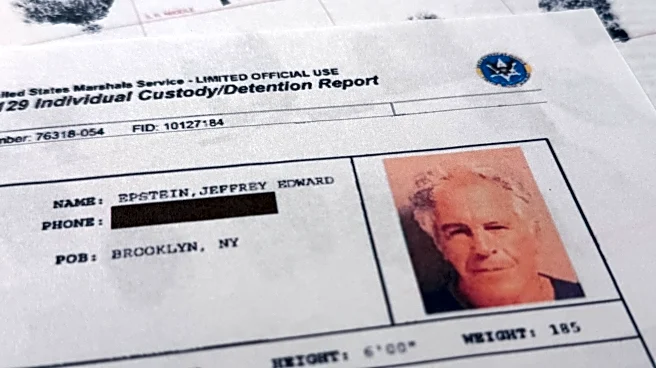
The Justice Department is under scrutiny for its handling of the release of over 3 million pages of documents related to Jeffrey Epstein. The department has been criticized for failing to adequately redact identifying information of Epstein's victims
while concealing details of potential enablers. This has led to an outcry from survivors and legal representatives who accuse the DOJ of mishandling the document release. The documents include a draft indictment from the 2000s and numerous email exchanges with Epstein, with many names redacted. The DOJ has been working to correct the improper disclosure of victim information.
Why It's Important?
The release of these documents is significant as it highlights ongoing issues with transparency and justice for Epstein's victims. The mishandling of sensitive information could have legal and ethical implications for the DOJ, potentially affecting public trust in the department. The controversy also underscores the challenges in balancing transparency with the protection of victim privacy. The case has drawn attention from lawmakers who are demanding more accountability and transparency from the DOJ.
What's Next?
The DOJ is working to address the improper disclosures and has reached an agreement with lawyers for some of the survivors to avoid a federal court hearing. Lawmakers continue to push for the release of unredacted files, threatening legal action if the DOJ does not comply. The situation may lead to further legal and political ramifications as Congress seeks to assess the DOJ's handling of the Epstein case.