





What's Happening?
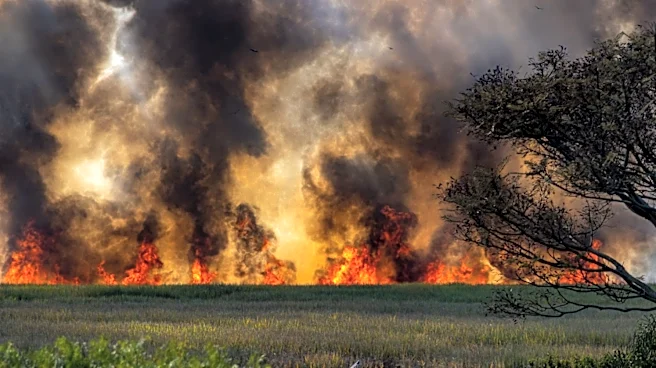
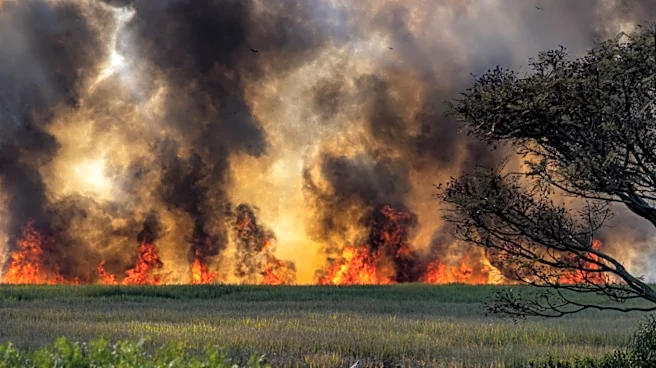
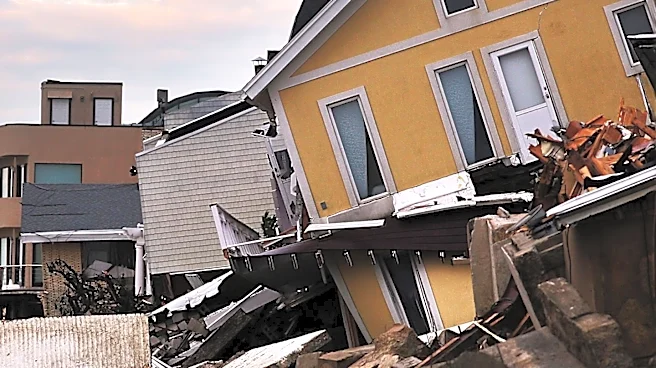
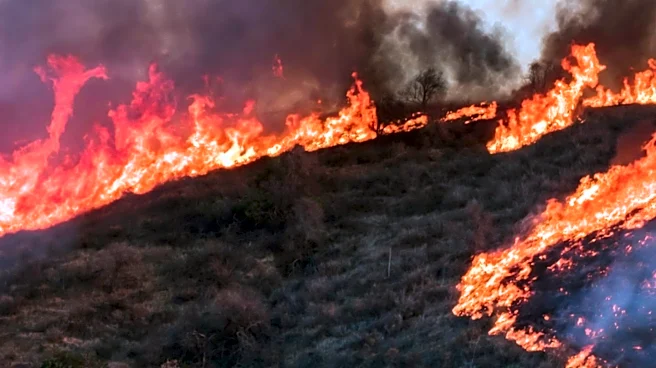
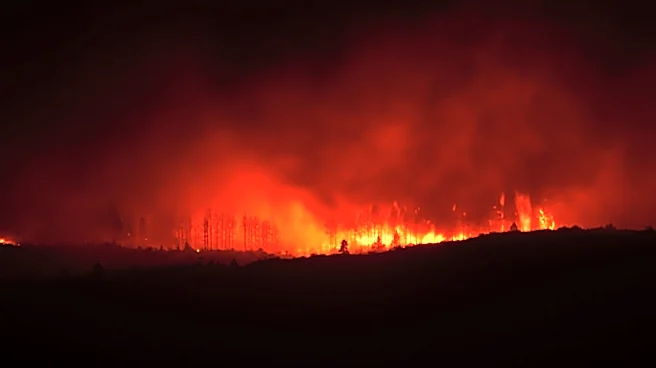
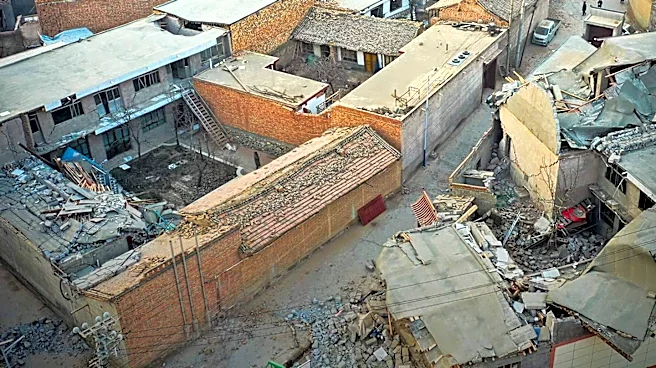
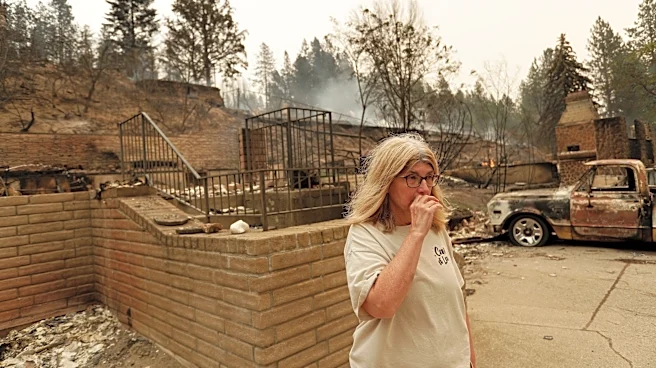
Spokane, Washington, has been devastated by a massive urban firestorm, marking the most destructive wildfire in the state's history. The fire, driven by strong winds and dry conditions, destroyed over 700 structures and forced the evacuation of nearly
65,000 residents. The firestorm was exacerbated by severe drought and a record-low winter snowpack. The National Weather Service issued a 'Particularly Dangerous Situation' Red Flag Warning prior to the event. The fires are part of a larger crisis affecting the Northwest, with dense smoke impacting air quality across multiple states.
Why It's Important?
The Spokane firestorm highlights the increasing frequency and intensity of wildfires in the U.S., driven by climate change and urban expansion into high-risk areas. The event underscores the urgent need for improved fire management strategies and climate adaptation measures. The widespread smoke and poor air quality pose significant health risks, potentially leading to premature deaths. This crisis calls for coordinated efforts to address the root causes of wildfires and protect vulnerable communities.
What's Next?
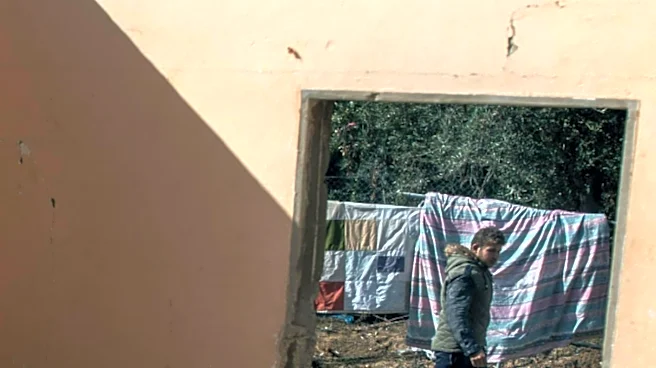
Efforts to contain the fires continue, with emergency services working to support displaced residents. The situation may prompt policy discussions on climate resilience and urban planning. As smoke conditions persist, public health advisories remain in effect, urging residents to take precautions. The event may also influence future legislation on environmental protection and disaster preparedness.