


What's Happening?
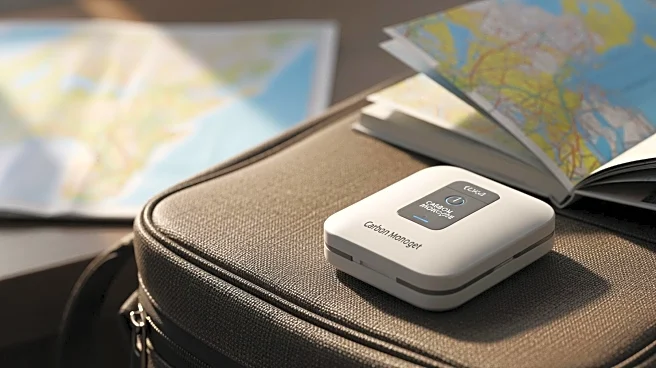
Consumer Reports has conducted tests on portable carbon monoxide (CO) detectors to help protect travelers from the dangers of CO poisoning in hotels and vacation rentals. The tests evaluated how quickly and accurately the devices detected CO levels. The Lunarlipes
alarm was noted for its quick response and reliability, while the Kidde plug-in detector excelled in detecting both low and high CO levels. The importance of these devices is underscored by tragic incidents, such as the death of Kris Hauschildt's parents due to a CO leak in a hotel. Despite the risks, not all accommodations are legally required to have CO detectors, leaving travelers vulnerable.
Why It's Important?
The testing of portable CO detectors by Consumer Reports highlights a critical safety issue for travelers. Carbon monoxide is a colorless, odorless gas that can cause serious health risks or death within hours of exposure. The lack of mandatory CO detectors in many hotels and vacation rentals poses a significant threat to public safety. By raising awareness and providing reliable options for portable CO detectors, Consumer Reports aims to empower travelers to take proactive measures to protect themselves and their families. This initiative could lead to increased demand for portable CO detectors and potentially influence regulatory changes in the hospitality industry.
What's Next?
As awareness of the risks associated with CO poisoning grows, there may be increased advocacy for stricter regulations requiring CO detectors in all accommodations. Travelers might begin to prioritize safety features, such as CO detectors, when choosing where to stay. The hospitality industry could respond by voluntarily installing CO detectors to enhance guest safety and avoid potential liabilities. Additionally, manufacturers of CO detectors may see a rise in demand, prompting further innovation and development in this area.