




What's Happening?
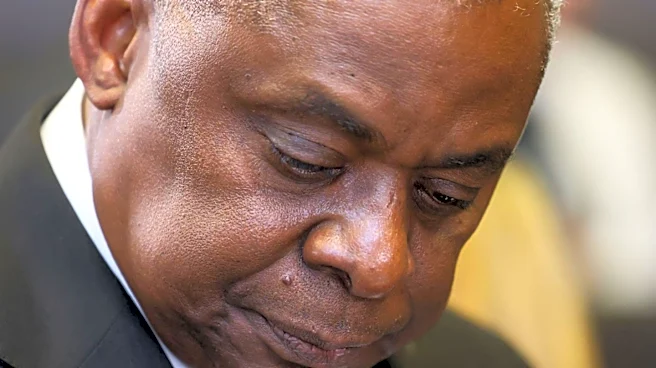
Acting U.S. Navy Secretary Hung Cao is under pressure from Congress for not publicly disclosing the dismissal of several high-ranking officers, including the entire command crew of the USS South Dakota submarine. On November 13, Democratic Representatives
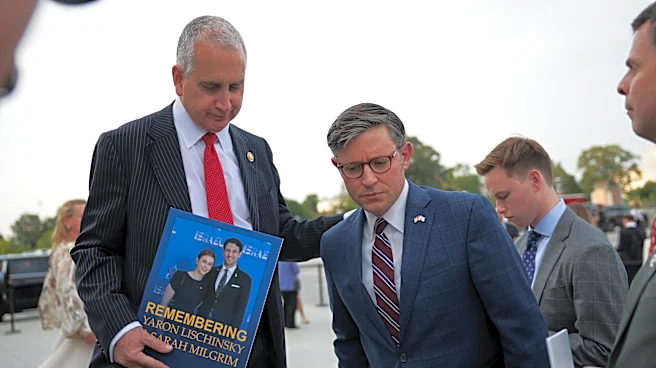
Joe Courtney and Adam Smith requested an explanation from Cao and Admiral Daryl Caudle, Commander of the U.S. Navy, regarding the failure to inform the House Armed Services Committee about the decision to relieve the USS South Dakota's command team. This decision followed an incident in September where the submarine encountered shallow waters. The dismissed personnel, on October 14, included Captain Daniel Goodwin, Deputy Captain Jacqueline Penichet, and Chief Petty Officer Jon Nogaj. The congressmen noted that nearly a month had passed without notification to Congress about either the personnel changes or the incident itself. They have requested a response from the Navy by November 20, seeking clarification on the circumstances leading to the dismissals and the nature of the submarine's incident.
Why It's Important?
This situation is significant because it raises concerns about transparency and accountability within the U.S. Navy's leadership and its relationship with Congress. The practice of sharing information about maritime accidents and command changes has historically been a long-standing custom between the Navy and Congress, even if not legally mandated. The lack of notification in this instance deviates from this established norm, potentially eroding trust between the legislative and executive branches concerning military oversight. Such a breakdown in communication can hinder Congress's ability to perform its oversight duties effectively, impacting its understanding of naval readiness, safety protocols, and personnel management. Furthermore, the timing of this scrutiny is critical for Acting Secretary Cao, as it precedes his confirmation hearing for the permanent Secretary of the Navy position, scheduled for November 17. The controversy could complicate his confirmation process, especially given existing requirements regarding his minimum seven years of active duty service that necessitate a congressional waiver.
What's Next?
Acting Secretary Hung Cao and Admiral Daryl Caudle are expected to provide a detailed explanation to Representatives Joe Courtney and Adam Smith by November 20. This response will likely address the specific circumstances of the USS South Dakota incident, the reasons for the command team's dismissal, and the rationale behind the lack of congressional notification. The information provided will be crucial in determining the next steps for congressional oversight, which could include further inquiries, hearings, or policy recommendations regarding military transparency. Additionally, this issue will undoubtedly be a focal point during Cao's confirmation hearing on November 17 for the permanent Secretary of the Navy position. Senators are likely to question him extensively on his commitment to transparency and his understanding of the Navy's relationship with Congress. The outcome of this inquiry and the confirmation hearing will significantly influence Cao's future leadership role and potentially lead to revised protocols for reporting incidents and personnel changes within the U.S. Navy.
Beyond the Headlines
The undisclosed dismissals and the subsequent congressional inquiry highlight a deeper tension between operational autonomy within the military and the principle of civilian oversight. While military branches often prefer to manage internal personnel matters discreetly, especially those involving sensitive operational details, Congress's role in oversight necessitates a degree of transparency. This incident could prompt a re-evaluation of informal communication protocols between the Navy and legislative bodies, potentially leading to more formalized requirements for reporting significant incidents and command changes. The lack of immediate public disclosure also raises questions about the Navy's internal communication strategies and its approach to managing public perception and accountability. In the long term, this event could influence future legislative efforts to codify reporting requirements for military incidents and personnel actions, aiming to strike a balance between national security interests and democratic accountability. It also underscores the ongoing challenge of maintaining public and congressional trust in military leadership, particularly during periods of transition or when sensitive operational matters are involved.