



What's Happening?
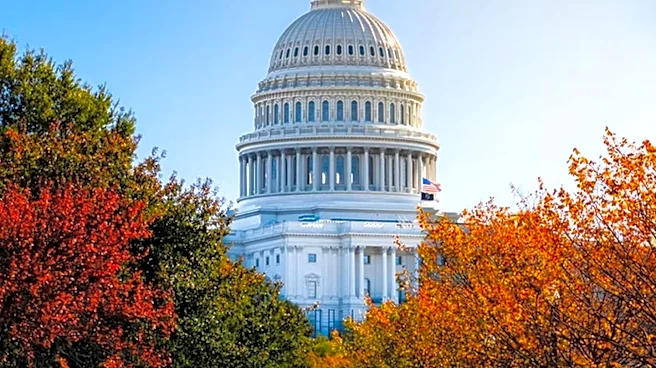
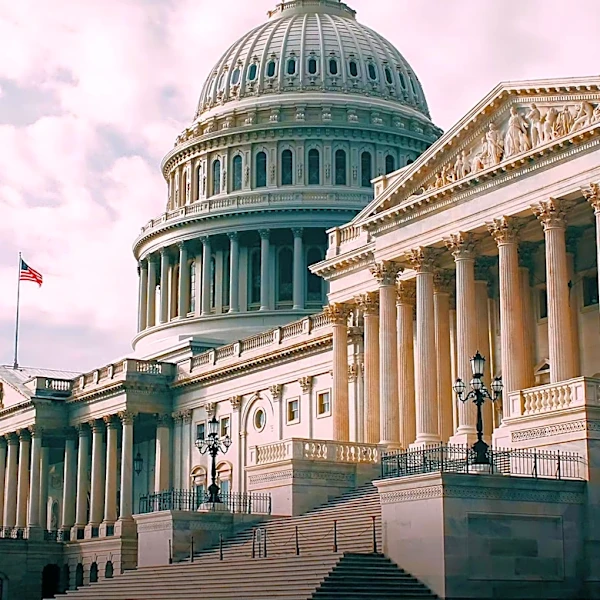
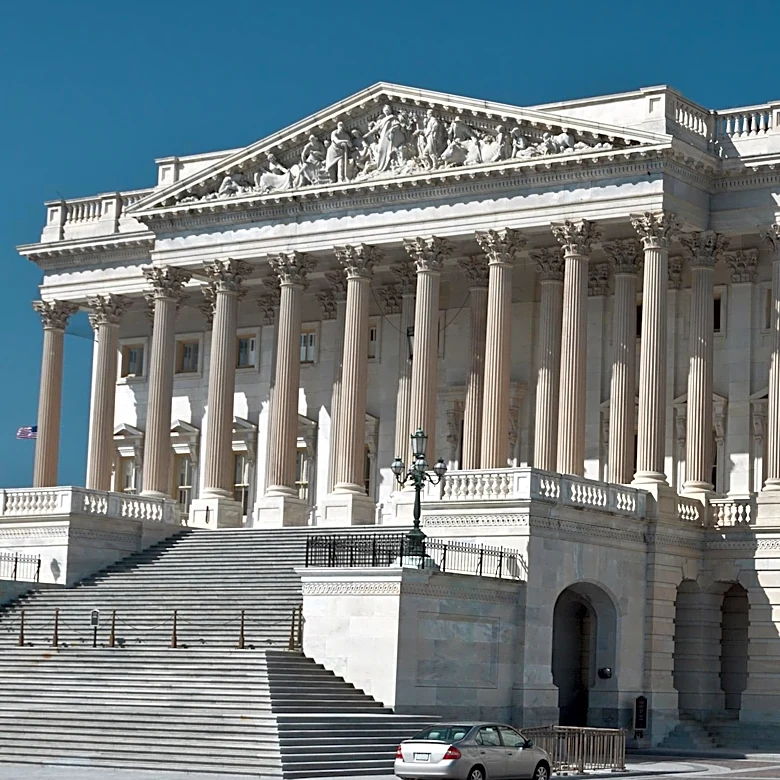
New legislation has been introduced in both the House and Senate to authorize over $5.9 billion in federal funds to reimburse public employee retirement systems for death and disability benefits stemming from the September 11, 2001, terror attacks. The
House version was introduced by Long Island GOP Rep. Andrew Garbarino (R-Bayport), Chairman of the House Committee on Homeland Security, and the Senate version by New York Democratic Sen. Kirsten Gillibrand. They are joined by initial co-sponsors including Senate Minority Leader Chuck Schumer and eight other New York-based U.S. House members, two of whom are Republicans. The bill aims to ensure that New York and other eligible public pension systems, whose members participated in 9/11 rescue, recovery, or cleanup operations, do not bear the financial burden alone. This initiative comes as the costs associated with the 9/11 attacks continue to rise for New York State and City pension systems, which previously received $290 million from FEMA for initial death benefits.
Why It's Important?
This legislation is crucial for ensuring the financial stability of public employee retirement systems, particularly in New York, which have faced escalating costs related to the 9/11 attacks. The proposed federal reimbursement would alleviate the strain on these pension funds, preventing potential shortfalls that could impact future retirees' benefits. By acknowledging the federal government's responsibility in covering these costs, the bill aims to protect the financial security of those injured or sickened from recovery efforts and the families of fallen heroes. The support from a bipartisan group of New York lawmakers underscores the widespread recognition of the ongoing financial impact of the attacks and the need for federal assistance to address these long-term obligations. This measure could set a precedent for federal involvement in long-term disaster-related financial burdens on state and local entities.
What's Next?
The immediate future for the bill's passage is uncertain, as the House is scheduled to recess until after the November midterm elections. This leaves a narrow window for quick passage in the current two-year session. However, there is a possibility that the legislation could be taken up during a post-election lame-duck session or reintroduced in the new congressional session beginning in January. Early reactions from stakeholders, such as Mario Cilento, president of the New York State AFL-CIO, and Ben Chevat, executive director of 9/11 Health Watch, indicate strong support for the bill, emphasizing the federal government's obligation and the ongoing health effects of the Ground Zero toxins. The bipartisan sponsorship suggests potential for future consideration, even if immediate passage is not achieved.
Beyond the Headlines
The ongoing need for federal funding to cover 9/11-related pension costs highlights the long-term and evolving consequences of large-scale national tragedies. Beyond the immediate aftermath, the health and financial impacts continue to manifest decades later, underscoring the need for sustained support mechanisms. This legislation also touches upon the broader ethical question of governmental responsibility towards those who served in the wake of such events and the financial systems designed to support them. The fact that new disclosures continue to reveal the full extent of health effects from toxic chemicals at Ground Zero further emphasizes the unpredictable and enduring nature of these challenges, necessitating flexible and long-term federal commitments to affected communities and individuals.