




What's Happening?
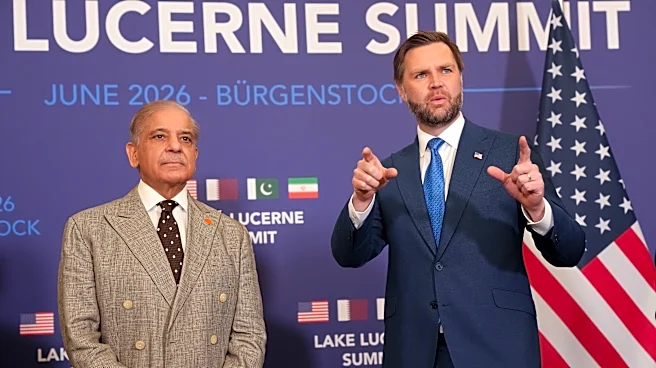
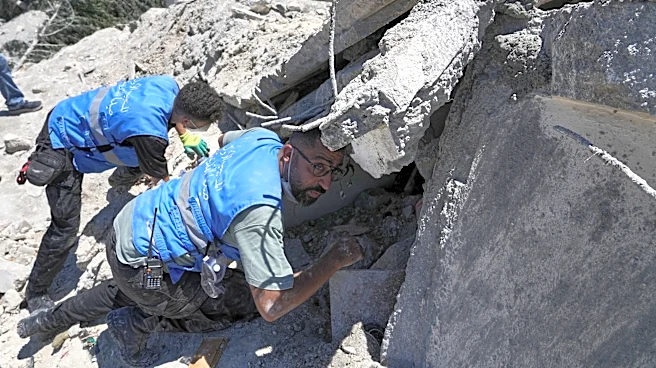
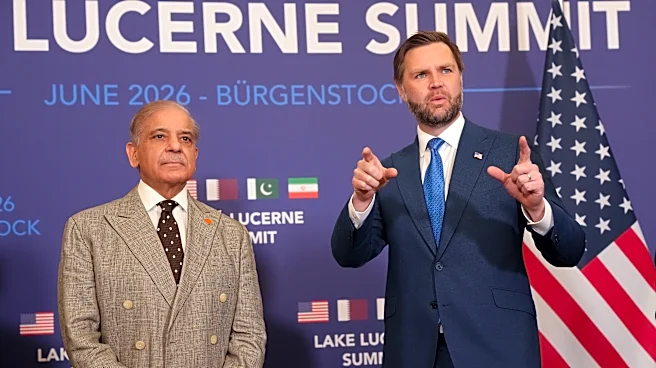
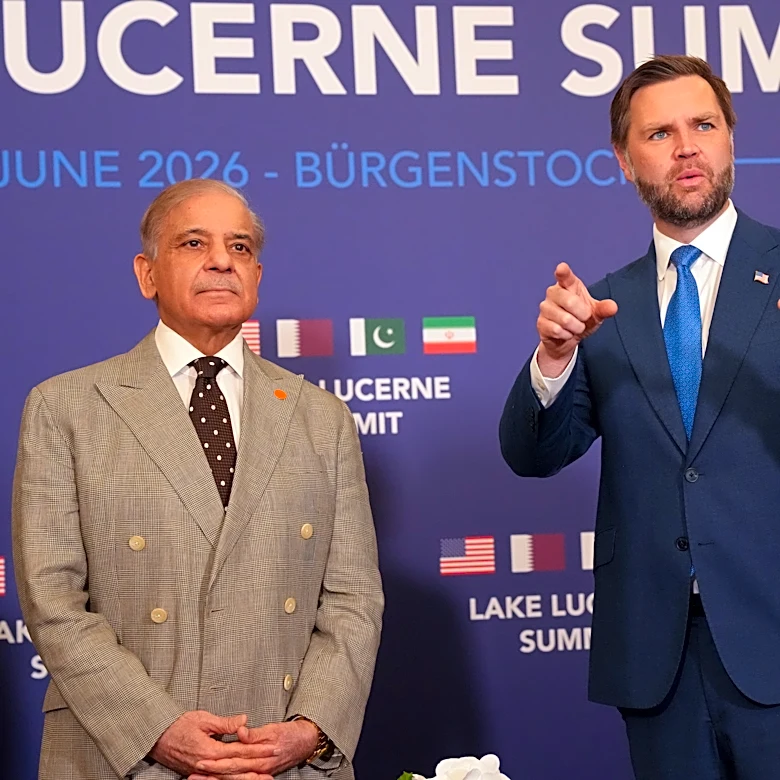
American and Iranian negotiators have agreed to create a 'deconfliction cell' for Lebanon, aiming to end military operations in the region. This decision follows days of conflicting statements and confusion over cease-fire terms, raising concerns about
potential escalations. The agreement, facilitated by Qatar and Pakistan, is part of the Islamabad Memorandum of Understanding. It includes a framework for future negotiations over a 60-day period, with a High Level Committee overseeing the process. The talks also addressed tensions in the Strait of Hormuz, establishing a communication line to ensure safe passage for commercial vessels.
Why It's Important?
The establishment of a deconfliction cell is a significant diplomatic step towards reducing military tensions in Lebanon, a region fraught with geopolitical complexities. This initiative reflects a collaborative effort between the U.S. and Iran to prevent misunderstandings that could lead to renewed conflict. The agreement also highlights the role of international mediators in facilitating dialogue between historically adversarial nations. The focus on the Strait of Hormuz underscores the strategic importance of this waterway for global oil transportation, with implications for international trade and energy security.
What's Next?
Technical talks between the U.S. and Iran will continue, with negotiators reporting to the High Level Committee. The discussions will address contentious issues such as Iran's nuclear program and sanctions relief. The success of these negotiations could pave the way for a broader agreement, potentially easing tensions in the Middle East. However, the complexity of the issues involved and the historical animosity between the parties suggest that achieving a lasting resolution will require sustained diplomatic efforts.