





What's Happening?
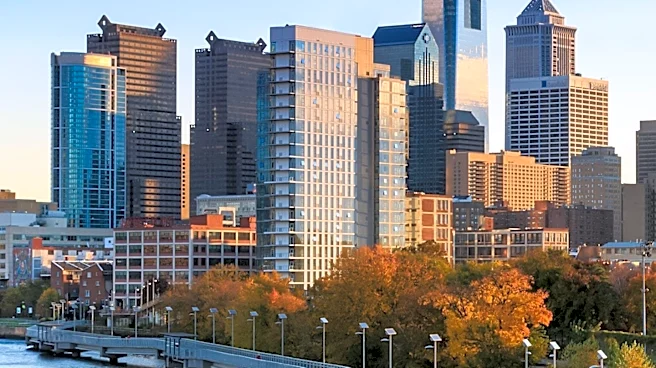
A legal battle is unfolding in Philadelphia over the historic designation of the Washington Square West neighborhood, which includes the city's Gayborhood. In 2024, the area received a historic designation aimed at preserving approximately 1,500 properties,
including residences, religious spaces, and businesses. While many LGBTQ+ Philadelphians and advocates celebrated this as recognition of the area's LGBTQ+ culture and Black history, a group of property owners, including some LGBTQ+ individuals, challenged the designation in court. They argued that it would impose costly restrictions and limit new development. A judge initially overturned the designation, citing a lack of substantial evidence, despite a nearly 1,500-page nomination packet from the Philadelphia Historic Commission. However, this ruling was later vacated on appeal, reinstating the historic designation for now. The Preservation Alliance for Greater Philadelphia is now preparing its own brief to support the city's position, aiming to elaborate on the designation's merit.
Why It's Important?
This preservation battle highlights a significant tension between historical preservation, community development, and the potential for displacement within urban areas. The outcome of this lawsuit could set a precedent for how historic designations are challenged and defended in other U.S. cities, impacting future urban planning and community development projects. For the LGBTQ+ community, the designation of the Gayborhood is seen as crucial for preserving cultural heritage, but the opposition raises concerns about economic burdens on property owners and the potential for gentrification. The debate also touches upon the effectiveness of local versus national historic designations in protecting buildings from demolition and the broader issue of affordable housing. The case of the William Way LGBT Community Center, which plans to demolish its current historic building for a more accessible, low-income housing facility, exemplifies the complex choices communities face when balancing preservation with the need for modern, inclusive spaces.
What's Next?
The legal process will continue, with the Preservation Alliance for Greater Philadelphia submitting its brief to support the city's position. The ongoing litigation will determine the final status of the historic designation for Washington Square West. If the designation stands, it will impose stricter regulations on property owners regarding renovations and demolitions, potentially affecting projects like the William Way LGBT Community Center's redevelopment. If the designation is overturned, it could pave the way for more unhindered development but might also lead to the loss of culturally significant structures. This case is one of three active lawsuits against historic districts in Philadelphia, and its resolution could influence how six newer proposals for historic designations are handled. The city may also face renewed calls to establish public funding or tax incentives to help homeowners maintain historic properties, addressing a key concern raised by opponents of the designation.
Beyond the Headlines
This conflict delves into the deeper societal implications of urban development and the preservation of cultural identity. The debate over the Gayborhood's historic designation reflects a broader national conversation about gentrification, affordability, and who benefits from urban revitalization. While historic designations aim to protect valuable heritage, they can inadvertently contribute to rising property values and displacement, particularly for lower-income residents and small businesses. The case also underscores the challenge of balancing the desire to preserve the physical manifestations of history with the evolving needs of a community, such as the demand for accessible housing and modern facilities. It raises ethical questions about whether preservation efforts should prioritize architectural integrity over social equity and community needs. The outcome in Philadelphia could influence how other cities approach similar dilemmas, prompting a re-evaluation of preservation policies to ensure they are inclusive and do not exacerbate existing social inequalities.