






What's Happening?
A recent study published in the journal Nutrients suggests that daily consumption of tomatoes may help reduce liver fat buildup in individuals with Metabolic Dysfunction-Associated Liver Disease (MASLD). The study involved 79 adult participants who were
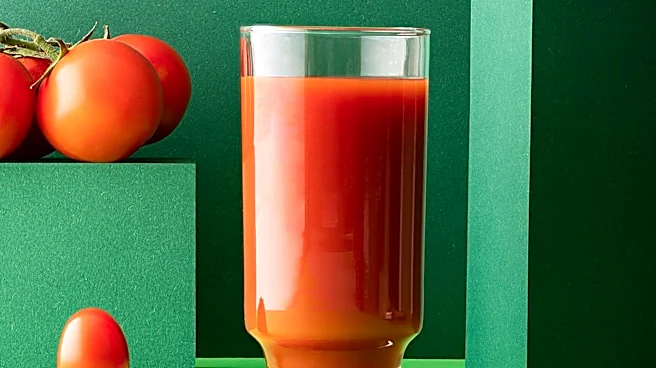
divided into two groups: one consuming a tomato-free diet and the other consuming 200 grams of raw tomatoes and 50 grams of tomato sauce daily. Results indicated a greater decrease in hepatic steatosis, or liver fat, in the group consuming tomatoes. The study highlights the potential benefits of dietary interventions in managing MASLD, although further research is needed to confirm long-term effects and applicability to broader populations.
Why It's Important?
The findings of this study could have significant implications for dietary recommendations for individuals with MASLD, a condition characterized by liver fat accumulation and associated with cardiometabolic risk factors like obesity and high blood pressure. If further research supports these findings, tomatoes could become a recommended dietary component for managing liver health. This could lead to broader public health initiatives promoting tomato consumption as part of a healthy diet, potentially reducing the prevalence and impact of liver-related diseases.
What's Next?
Further studies are needed to explore the long-term effects of tomato consumption on liver health and to determine the specific components responsible for the observed benefits. Researchers may also investigate the impact of tomatoes on other populations, including those with higher body mass indices or multiple cardiometabolic risk factors. These studies could inform future dietary guidelines and public health strategies aimed at reducing liver disease prevalence.