





What's Happening?
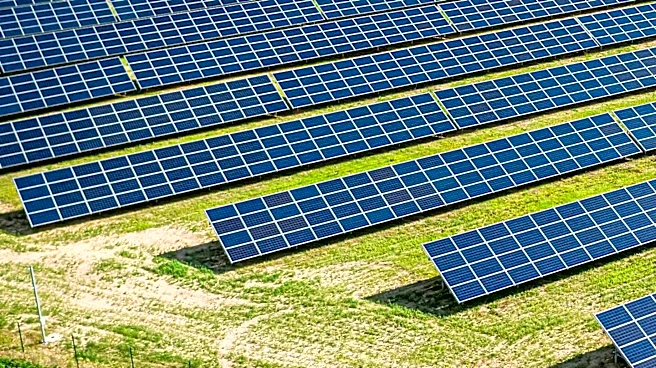
Cultivate Power has officially opened its 22-acre Bowes solar farm in Elgin, Illinois. This distributed solar and storage project, consisting of two installations, will provide clean, locally sourced electricity to 580 low- and moderate-income households,
three small businesses, two towns, and a church. The project aims to save subscribers an estimated $13.9 million on their ComEd bills over the next 40 years, representing a 20 percent reduction in energy charges. Beyond electricity savings, Cultivate Power is contributing $575,000 in financial support to local organizations such as Elgin Community College and Food for Greater Elgin, as well as other beneficiaries including Friends of the Fox River, We Care Solar, the Evolve Foundation, and Sesenergi Eco Solutions’ workforce training programs. The Bowes project site is also projected to generate $2.1 million in property taxes over its lifetime, benefiting School District U-46 and other government units. The construction of the facility employed over 75 individuals, including 49 union laborers. Cultivate Power, based in Chicago, has been developing solar and storage projects across Illinois since 2022, with 14 projects operational and 20 more under construction.
Why It's Important?
The Bowes solar project in Elgin is a significant step towards achieving Illinois' clean energy goals, as mandated by the Climate and Equitable Jobs Act (CEJA) and the Clean and Reliable Grid Affordability Act (CRGA). CEJA requires a shift to 100-percent carbon-free energy by 2045, with the retirement of coal-fired generation units by 2030 and natural gas units by 2045, while also prioritizing economic equity and workforce development. This project directly supports these objectives by providing affordable renewable energy to underserved communities and creating local jobs. The initiative demonstrates how thoughtful engineering and strong collaboration can unlock new opportunities for clean energy, even on sites with development challenges. By connecting more locally generated energy to the grid, the project expands customer access to affordable renewable energy and enhances electrical grid reliability. The financial benefits, including reduced energy costs for households and businesses, property tax generation, and donations to local non-profits, highlight the broader economic impact and community development potential of such renewable energy initiatives.
What's Next?
Cultivate Power plans to continue its expansion of distributed solar and storage projects across Illinois, with 20 more projects currently under construction. The success of the Bowes project, which overcame challenges like adjacent train tracks, high-voltage power lines, and wetlands, could serve as a model for future clean energy developments in complex sites. The ongoing implementation of the Climate and Equitable Jobs Act and the Clean and Reliable Grid Affordability Act will further drive the transition to carbon-free energy in Illinois, with a focus on retiring fossil fuel plants and promoting renewable sources. The Geothermal Homes and Businesses Incentive Program and the Solar Bill of Rights for municipal and cooperative utility customers, established by the CRGA, are expected to encourage broader adoption of clean energy solutions. Cultivate Power's long-term commitment to Illinois suggests continued investment in projects that aim to deliver tangible local value beyond grid benefits, including job creation and support for local institutions.
Beyond the Headlines
The Bowes solar project underscores a growing trend in the U.S. towards localized clean energy generation, which offers multiple benefits beyond environmental sustainability. By focusing on distributed solar and storage projects, communities can achieve greater energy independence and resilience, reducing reliance on centralized power grids that can be vulnerable to disruptions. The project's emphasis on providing lower-cost electricity to low- and moderate-income households addresses energy equity concerns, ensuring that the benefits of the clean energy transition are shared broadly. Furthermore, the integration of workforce development and community support initiatives within the project's framework highlights a holistic approach to sustainable development. This model suggests that clean energy projects can be powerful engines for local economic growth, job creation, and social upliftment, fostering healthier and more robust communities. The ability to adapt designs to challenging site constraints, as demonstrated by Cultivate Power, also points to the increasing sophistication and flexibility of renewable energy technologies.