




What's Happening?
Chicago City Hall is increasing pressure on Amtrak regarding its plans to construct a new maintenance facility in the Bridgeport neighborhood. This development is intertwined with a larger vision to potentially relocate the Chicago White Sox as part of
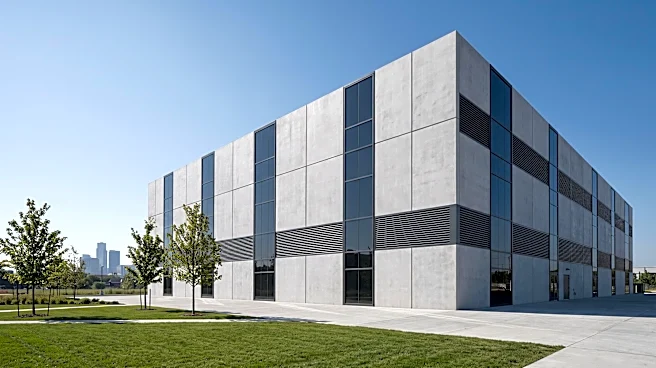
a new development spearheaded by Justin Ishbia, a prospective future owner of the team. Ishbia has an option to acquire the franchise in 2034, while current owner Jerry Reinsdorf's sell option aligns with the team's lease expiration at Rate Field in 2029. Ishbia's 'Railyards' development proposes a hypothetical stadium at the Amtrak 14th Street railyard, across from the 78 megadevelopment. Alderman Nicole Lee and a supermajority of the City Council oppose Amtrak's proposal, which would see Bridgeport lose the White Sox and gain a 24-hour maintenance facility. Amtrak, however, plans to utilize a federal exemption to bypass City Council approval and local zoning regulations for its $900 million maintenance facility, which it intends to build near Rate Field.
Why It's Important?
This situation highlights a significant conflict between federal infrastructure projects, local community interests, and major league sports team ownership and development. The potential relocation of the Chicago White Sox, a prominent sports franchise, carries substantial economic and cultural implications for the city. The proposed Amtrak maintenance facility, while crucial for national rail infrastructure, directly impacts the Bridgeport neighborhood by displacing a beloved sports team and introducing a 24-hour industrial operation. The use of a federal exemption by Amtrak to circumvent local governance raises questions about the balance of power between federal agencies and municipal authorities, potentially setting a precedent for future development projects. The outcome will affect property values, local businesses, and the overall quality of life for residents in the affected areas, while also influencing the future landscape of professional sports in Chicago.
What's Next?
Despite local opposition, Amtrak appears poised to proceed with its plans for the maintenance facility, leveraging a federal exemption that bypasses City Council approval and local zoning. This suggests that direct legislative intervention from the city may be limited to slowing down the process rather than halting it entirely. The focus will likely shift to how the city and community groups can mitigate the negative impacts of the facility and the potential White Sox relocation. Further details on Ishbia's Railyards development and the hypothetical stadium are expected, which will likely intensify public debate and community organizing efforts. Stakeholders, including local residents, businesses, and sports fans, will continue to monitor developments closely, potentially exploring legal challenges or advocating for alternative solutions to address their concerns.
Beyond the Headlines
The ongoing dispute transcends a simple land-use issue, touching upon deeper themes of urban development, community identity, and the influence of federal power. The potential loss of the White Sox from Bridgeport could erode a significant part of the neighborhood's cultural fabric and economic vitality, transforming it from a sports hub to an industrial zone. This scenario underscores the broader challenge faced by many U.S. cities: balancing the need for modern infrastructure and economic development with the preservation of local character and community well-being. The federal exemption used by Amtrak highlights a tension between national interests and local autonomy, raising questions about democratic accountability in large-scale projects. The situation could also prompt a re-evaluation of how major sports franchises engage with their host communities and the extent to which public sentiment influences private development decisions.