
What's Happening?
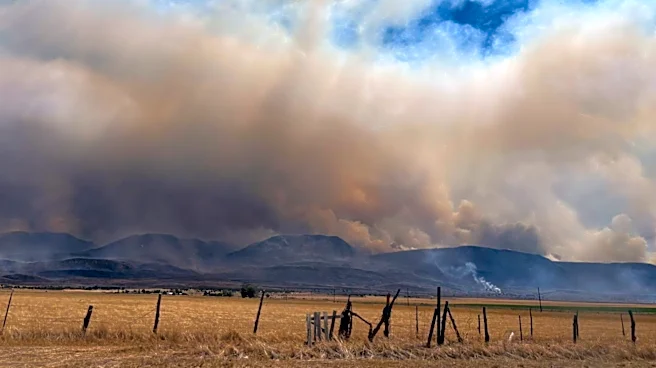
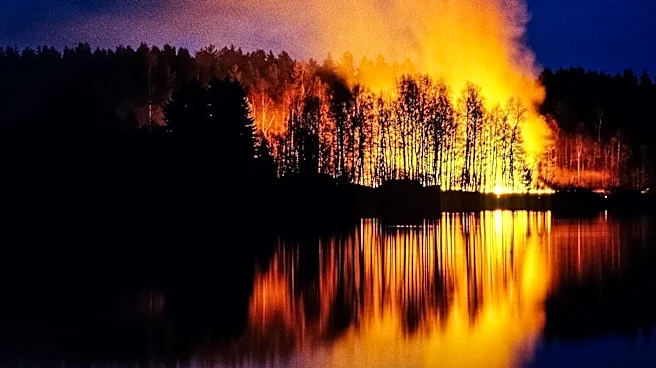
Utah is experiencing a significant wildfire season, with more than 497,100 acres burned so far this year, marking the second-highest on record. The Widemouth 2 Fire, which started in Millard County, has contributed significantly to this total, burning
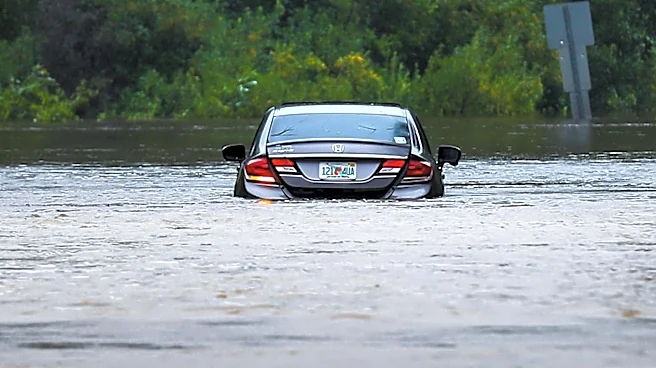
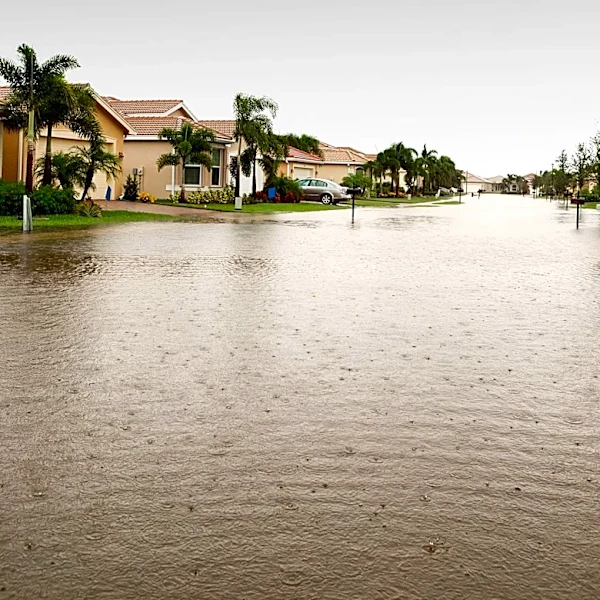
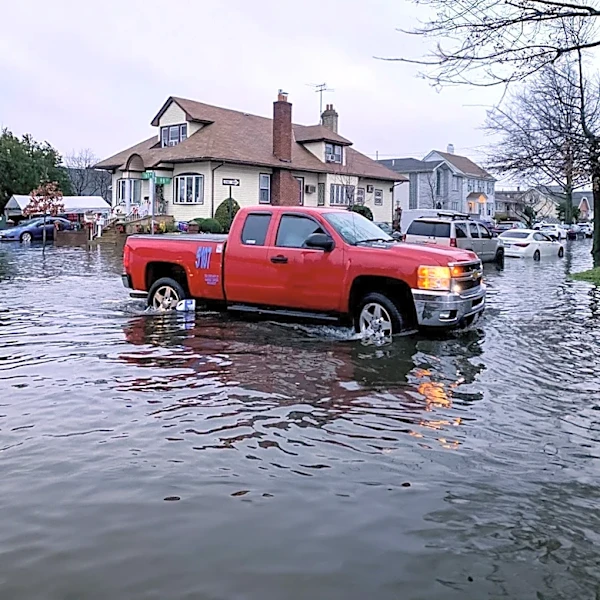
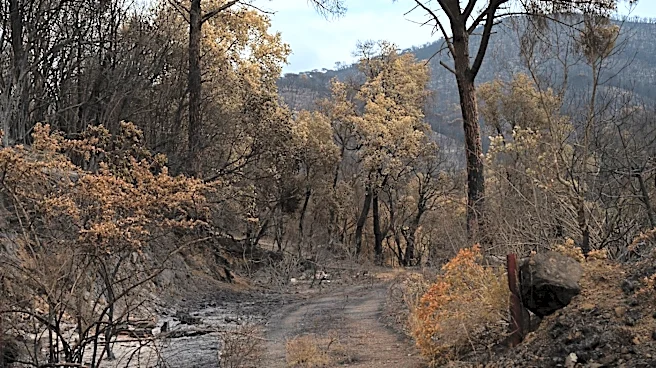
over 106,450 acres. Firefighters have managed to increase containment from 10% to 24% recently. The state is currently at preparedness Level 5 due to the high number of fires and limited resources. However, weather forecasts suggest that monsoonal moisture may soon return, potentially helping to slow down the fire activity. Despite the potential for relief, there are concerns about flash flooding in areas with recent burn scars.
Why It's Important?
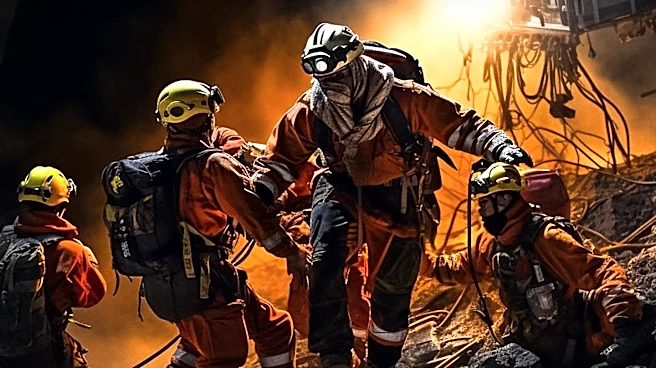
The scale of the wildfires in Utah poses significant risks to communities, wildlife, and the environment. The fires have strained firefighting resources, with nearly 28,700 personnel currently engaged across the U.S. The potential return of monsoonal rains could provide much-needed relief by increasing soil moisture and reducing fire risk. However, the threat of flash floods in areas with recent burn scars remains a concern, highlighting the complex challenges of managing natural disasters. The situation underscores the need for effective resource allocation and disaster preparedness strategies.
What's Next?
As monsoonal moisture is expected to return, there is hope for a reduction in fire activity. Meteorologists predict that rain-producing storms could develop, particularly in mountain areas, with the potential for more widespread rain later. Communities near recent burn scars are preparing for possible flash flooding. The situation remains dynamic, with weather models indicating varying precipitation probabilities. Continued monitoring and adaptive response strategies will be crucial in managing both fire and flood risks in the coming weeks.