



What's Happening?
Mexico is in the process of acquiring approximately 12 new combat aircraft by 2028, marking its first fighter jet purchase in over four decades. The Mexican Air Force currently relies on Northrop F-5E/F Tiger IIs, acquired in 1982. General Román Carmona
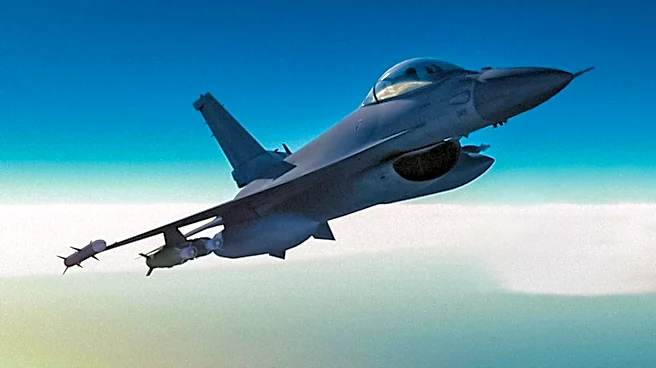
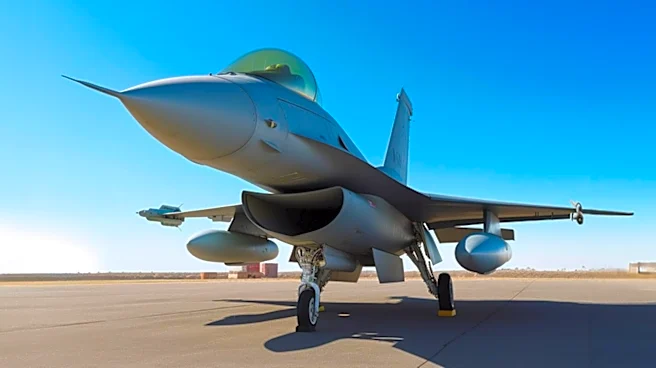
Landa, commander of the Mexican Air Force, announced at the Tulum Air Show in April 2026 that four aircraft types are under consideration: the Lockheed Martin F-16 Block 70/72, Saab Gripen E/F, Korea Aerospace Industries’ (KAI) FA-50, and Leonardo’s M-346FA. These aircraft are being evaluated for air defense, reconnaissance, and ground attack roles. While no formal tender has been published or selection date announced, South Korea has actively campaigned for its FA-50, including a state visit by President Lee Jae Myung to Mexico in September 2026.
Why It's Important?
This acquisition is significant for Mexico as it seeks to modernize its air force and enhance its national defense capabilities. The choice of aircraft will determine the technological sophistication and interoperability of Mexico's air fleet for decades to come. The F-16 offers the most advanced capabilities and the closest link to the United States, while the Gripen provides a European alternative. The FA-50 and M-346FA represent lighter, potentially more cost-effective options. The decision could also have geopolitical implications, influencing Mexico's defense partnerships and trade relations. South Korea's strong push for the FA-50, including high-level diplomatic engagement, underscores the strategic importance of this defense contract for exporting nations and their aerospace industries.
What's Next?
The Mexican Ministry of Defense has not yet announced a timeline for its decision or the publication of a formal tender. However, the evaluation process is ongoing, with various manufacturers actively lobbying for their respective aircraft. Future developments will likely include further technical assessments, potential negotiations on pricing and industrial cooperation, and continued diplomatic efforts from the competing nations. The final selection will dictate the future direction of Mexico's air force and its defense posture. Analysts suggest the total value of the acquisition could exceed $1.2 billion, making it a substantial contract for the chosen manufacturer.
Beyond the Headlines
Beyond the immediate military upgrade, Mexico's fighter jet acquisition reflects broader trends in global defense markets, where nations are increasingly seeking to modernize their armed forces with advanced technology. The competition highlights the strategic importance of defense exports for countries like the United States, Sweden, South Korea, and Italy, as these sales can bolster their aerospace industries, create jobs, and strengthen diplomatic ties. The decision could also be influenced by geopolitical considerations, such as trade relations and regional security dynamics. The choice of aircraft will not only impact Mexico's military capabilities but also its long-term strategic alliances and its position within the international defense community.