



What's Happening?
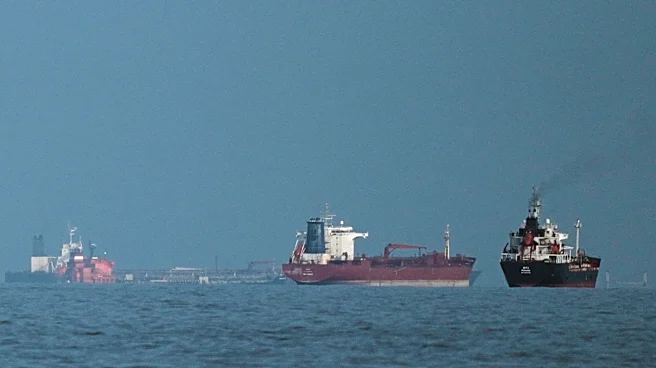
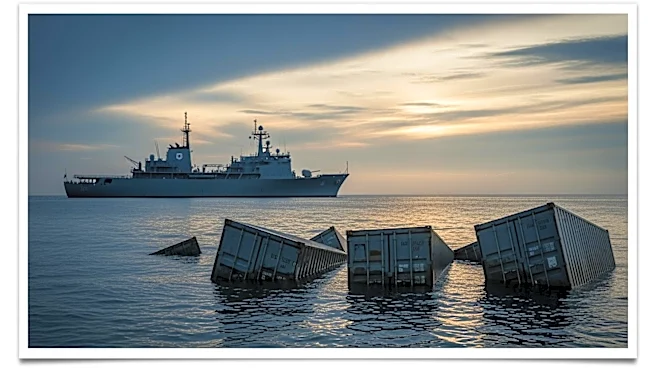
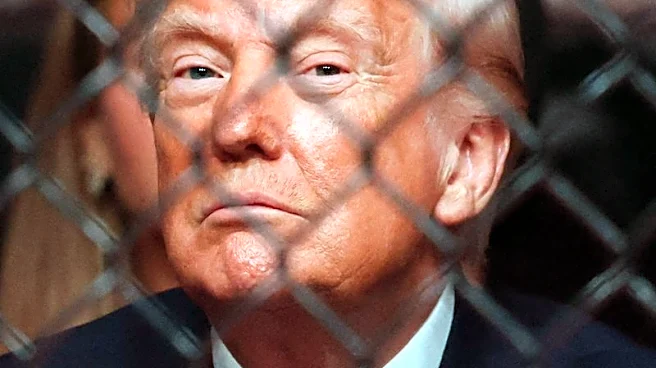
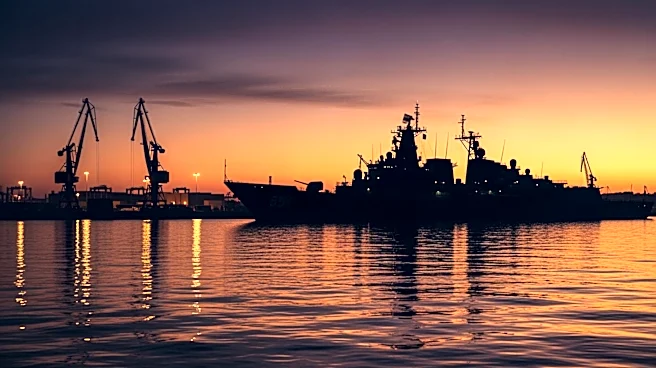
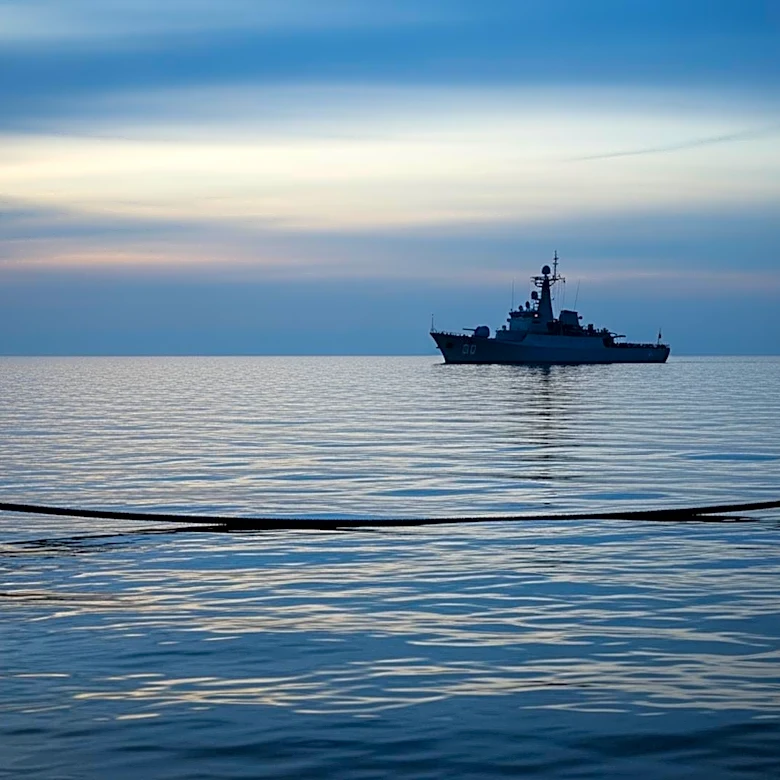
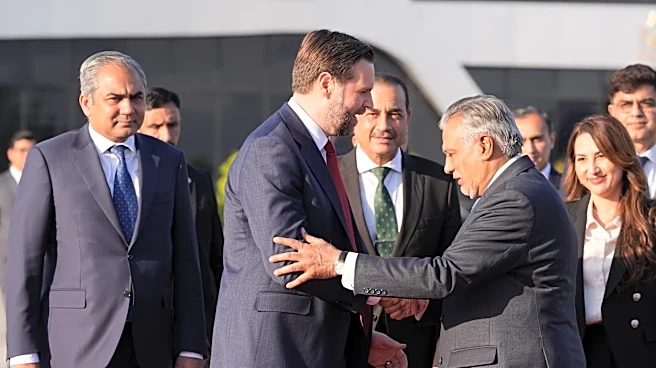
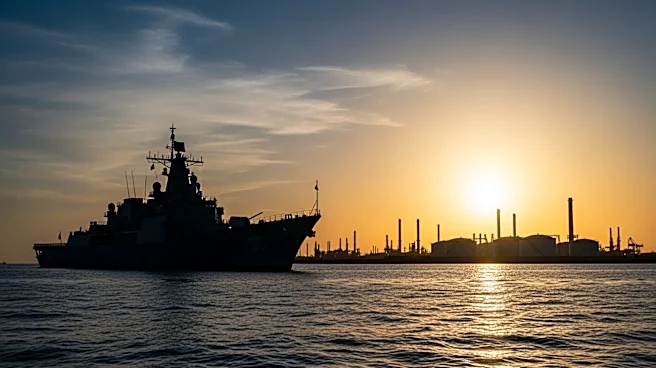
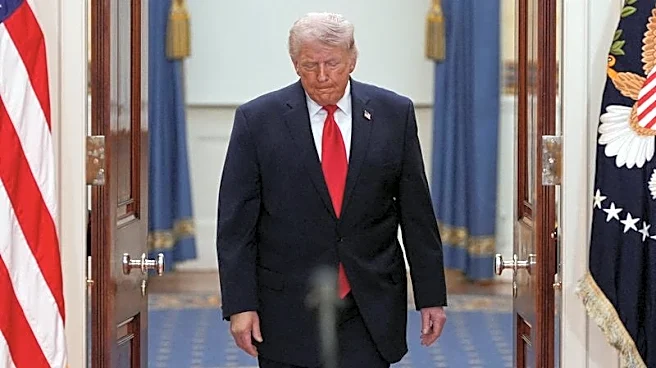
The U.S. military is set to enforce a blockade on Iranian ports in the Strait of Hormuz, as announced by President Trump. The blockade aims to pressure Iran by restricting its oil exports, which are crucial to its economy. The move follows failed peace
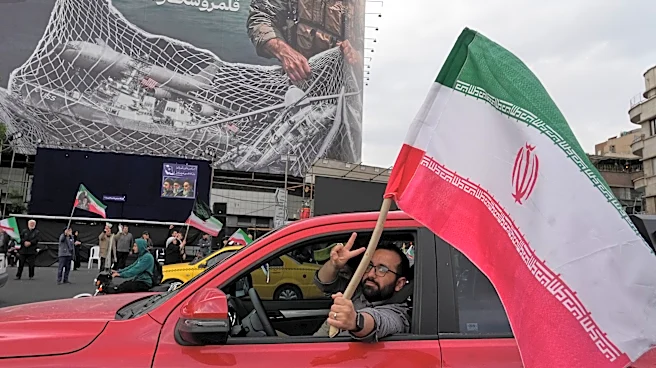
talks between the U.S. and Iran, primarily due to disagreements over Iran's nuclear program. The blockade has already affected global oil markets, with prices rising significantly. Iran has responded with threats to regional ports, warning of potential retaliation if its ports are targeted.
Why It's Important?
The blockade could have significant implications for global oil supply, as the Strait of Hormuz is a major transit route for oil exports. The U.S. strategy aims to weaken Iran's economy by restricting its oil exports, potentially leading to economic instability in Iran. However, the blockade also risks increasing global oil prices and causing economic strain worldwide. The situation highlights the geopolitical tensions between the U.S. and Iran, with potential consequences for international relations and energy security.
What's Next?
The blockade is expected to continue, with the U.S. enforcing restrictions on vessels entering or leaving Iranian ports. Iran has threatened retaliation, potentially escalating the conflict and affecting regional security. The international community may seek diplomatic solutions to reopen the strait and stabilize oil markets. The situation remains fluid, with potential for further developments as stakeholders respond to the blockade's impact.