




What's Happening?
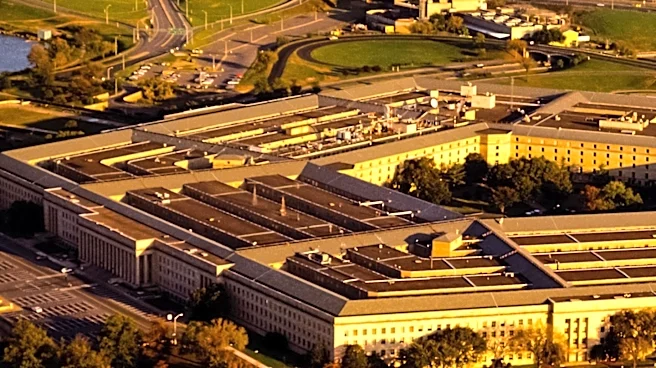
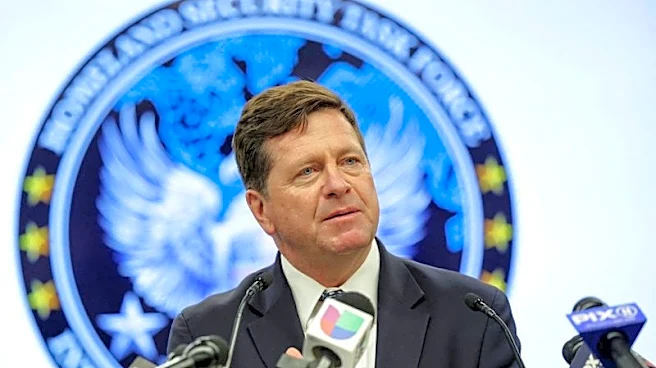
The Trump administration is intensifying its efforts to prevent leaks to journalists by issuing subpoenas to members of the press. Pentagon chief Pete Hegseth announced the formation of a joint task force between the Department of War and the Justice
Department to identify and prosecute individuals responsible for leaks. This move has raised First Amendment concerns among press freedom advocates. Recently, subpoenas were issued to several New York Times journalists, compelling them to testify before a federal grand jury regarding an alleged violation of federal criminal law. These subpoenas followed the newspaper's reporting on security concerns related to President Trump's new Qatar-gifted Air Force One. The Federal Bureau of Investigation had previously requested the New York Times to delay the publication of the article due to national security concerns.
Why It's Important?
The issuance of subpoenas to journalists by the Trump administration is significant as it raises concerns about press freedom and the First Amendment. Press freedom advocates argue that such actions could intimidate journalists and prevent them from reporting on important issues, thereby limiting the public's access to information. The administration's approach is seen as an escalation compared to previous administrations, which typically used subpoenas as a last resort. This development could have a chilling effect on sources willing to disclose information to the media, ultimately impacting the public's ability to hold the government accountable.
What's Next?
The Trump administration's actions are likely to face legal challenges from press freedom advocates and media organizations. There is also ongoing legislative support for the Protect Reporters from Exploitative State Spying (PRESS) Act, which aims to protect journalists and their sources from government interference. Additionally, the Privacy Protection Updates Act has been introduced in Congress to close loopholes in existing laws that have been exploited by multiple administrations. These legislative efforts, if successful, could provide stronger protections for journalists and their sources.