




What's Happening?
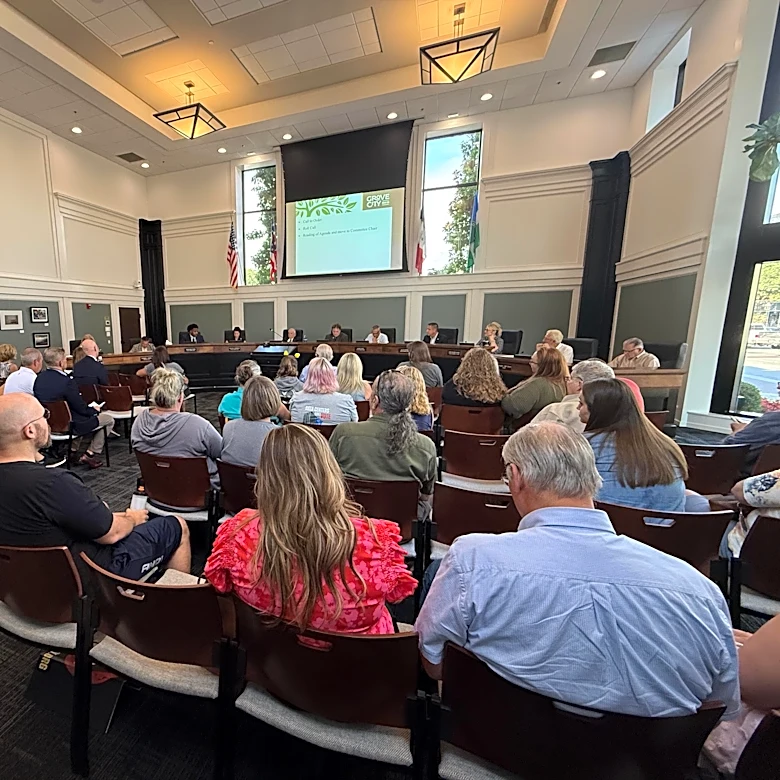
Tarrant County commissioners in Texas have approved a resolution honoring the life of conservative activist Charlie Kirk, who was killed last September at Utah Valley University. The vote was 3-2 along party lines, with Republican Commissioner Matt Krause
proposing the resolution, citing Kirk's work in sparking a 'Christian revival' and his impact on young men and women. Democratic Commissioners Roderick Miles, Jr. and Alisa Simmons opposed the resolution, highlighting Kirk's controversial statements, including his criticism of the Black Lives Matter movement and his description of George Floyd as a 'scumbag.' Commissioner Miles stated that Kirk's ideologies caused extreme harm to people of color and that he would not co-sign on honoring someone who caused such harm. Commissioner Simmons acknowledged that political violence is wrong but argued that the county seal should not be used to endorse Kirk's public legacy, as people are free to admire or reject his views. Outside the courthouse, supporters of the resolution gathered, singing Christian songs.
Why It's Important?
This event underscores the deep political and ideological divisions present within local governance in the U.S., particularly concerning how public figures are memorialized. The Tarrant County resolution highlights the ongoing cultural clashes between conservative and progressive viewpoints, even at the county level. For conservatives, honoring Kirk represents an affirmation of his efforts in youth activism and conservative outreach, as well as a stand against political violence. For Democrats and other critics, the resolution is seen as an endorsement of controversial and potentially harmful rhetoric, particularly concerning race and social justice. The debate reflects broader national tensions regarding free speech, the legacy of polarizing figures, and the role of government bodies in validating specific political narratives. This local decision could influence similar debates in other jurisdictions grappling with how to acknowledge figures who evoke strong, divided public sentiment.
What's Next?
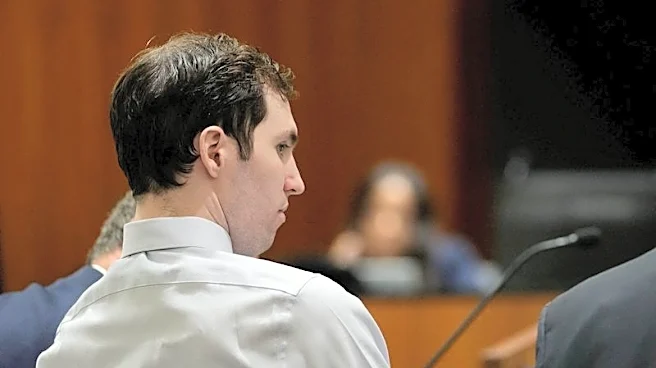
The resolution has been passed, but the controversy surrounding it is likely to continue. The Tarrant County Democratic commissioners' vocal opposition suggests that this issue may remain a point of contention in local political discourse. The upcoming trial of Tyler Robinson, the suspect charged with Kirk's killing, will also keep Kirk's name in the news, potentially reigniting discussions about his legacy and the circumstances of his death. The differing perspectives on Kirk's impact, as demonstrated by the commissioners' debate, indicate that his figure will continue to be a symbol for both admiration and criticism within the U.S. political landscape. Local community groups and political organizations may continue to express their views on the resolution, potentially leading to further public demonstrations or political actions.
Beyond the Headlines
The Tarrant County resolution goes beyond a simple act of remembrance; it delves into the complex interplay of political identity, historical interpretation, and the ethics of public recognition. The debate over honoring Kirk reveals a fundamental disagreement on what constitutes a 'legacy' worthy of public endorsement, especially when that legacy is intertwined with polarizing social and political commentary. It raises questions about the responsibility of public institutions to represent all constituents, even when their views are diametrically opposed. The incident also highlights the increasing politicization of local government, where national ideological battles are playing out in county commission meetings. This trend can lead to further fragmentation of civic life, as communities struggle to find common ground in a highly polarized environment, potentially eroding trust in local governance and exacerbating social divisions.