








What's Happening?
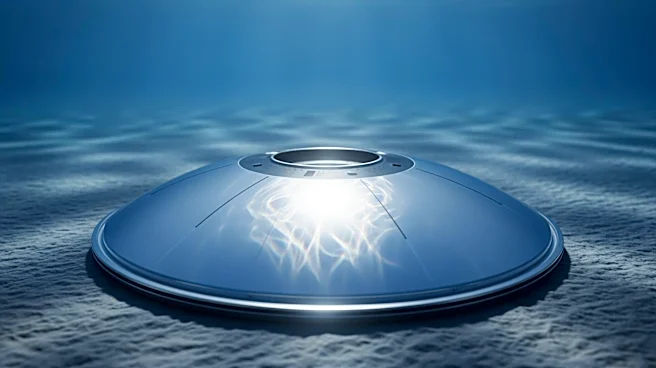
U.S. Navy divers have revealed an underwater photograph of the Artemis II spacecraft's heat shield, showing it in excellent condition after its splashdown in the Pacific Ocean. The heat shield, a critical component for reentry, protected the spacecraft from
extreme temperatures as it returned from lunar orbit. Initial inspections indicate that the Artemis II heat shield sustained significantly less damage compared to its predecessor, Artemis I, suggesting improvements in reentry trajectory and heat management.
Why It's Important?
The successful performance of the Artemis II heat shield is a crucial milestone for NASA's Artemis program, which aims to establish a sustainable human presence on the Moon. The reduced damage observed in the heat shield could lead to more reliable and safer reentry processes for future missions. This development is vital for the progression of NASA's lunar exploration goals, including the planned Artemis III mission and subsequent lunar landings. The findings from Artemis II will inform the design and planning of future spacecraft and missions.
What's Next?
NASA will continue to analyze the heat shield's performance to ensure its reliability for future missions. The data collected from Artemis II will be used to refine the design of upcoming spacecraft, with the Artemis III mission scheduled for 2027. This ongoing analysis is part of NASA's broader strategy to prepare for human landings on the Moon and eventually Mars, addressing challenges such as life support systems and equipment malfunctions encountered during previous missions.