



What's Happening?
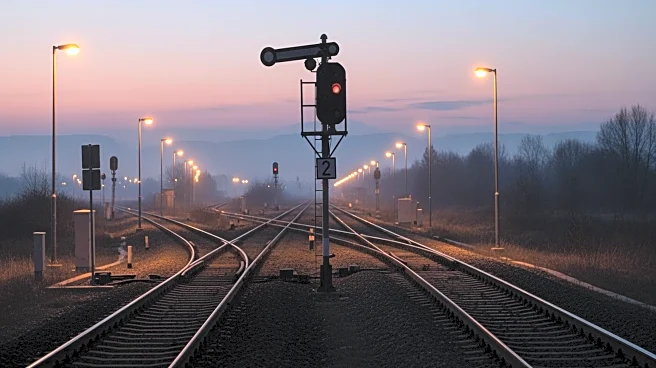
A tragic high-speed train collision in Spain has resulted in the deaths of at least 39 individuals. The incident occurred near the city of Córdoba when a Madrid-bound train derailed and crossed onto the opposite tracks, colliding with an oncoming train.
The crash took place at approximately 19:45 local time on Sunday. The collision has been described as the worst train accident in Spain in over a decade. Emergency services have reported that 122 people were treated for injuries, with 48 individuals, including five children, still hospitalized. Passengers recounted the terrifying moments as the train tipped over, leading to darkness and chaos inside the carriages. The Spanish Prime Minister, Pedro Sánchez, has committed to uncovering the cause of the derailment.
Why It's Important?
This incident highlights significant concerns regarding rail safety and infrastructure in Spain, a country known for its extensive high-speed rail network. The collision not only resulted in a tragic loss of life but also raises questions about the safety protocols and maintenance of the rail system. The outcome of the investigation could lead to changes in safety regulations and operational procedures to prevent future accidents. The event has also drawn international attention, emphasizing the need for stringent safety measures in high-speed rail systems worldwide. The impact on the families of the victims and the broader community is profound, as they seek answers and accountability.
What's Next?
An investigation is underway to determine the cause of the derailment and subsequent collision. The Spanish government, led by Prime Minister Pedro Sánchez, has vowed to find answers and ensure accountability. The investigation's findings could lead to policy changes and improvements in rail safety standards. Additionally, there may be legal and financial implications for the rail operators involved. The incident is likely to prompt discussions on rail safety at both national and international levels, potentially influencing future infrastructure investments and safety protocols.