







What's Happening?
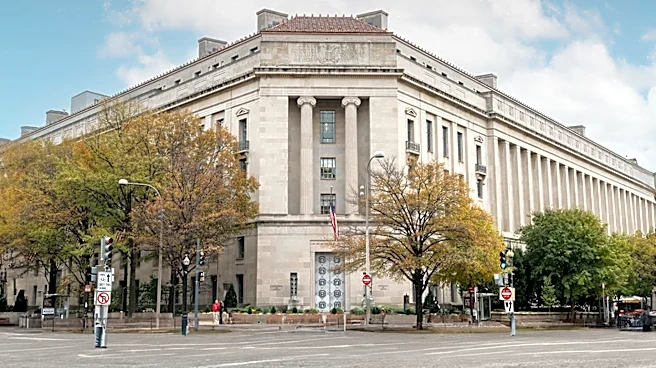
The Department of Justice (DOJ) has initiated investigations into the admissions practices of 26 medical schools, alleging violations of the Supreme Court's ban on race-based admissions. The investigations focus on disparities in Medical College Admission
Test (MCAT) scores among different racial groups. The DOJ has released findings from investigations into four schools, including Yale University and three University of California campuses, highlighting disparities in median MCAT scores for Black and Hispanic applicants compared to white and Asian applicants. The investigations aim to determine if race-based preferences influenced admissions decisions.
Why It's Important?
These investigations underscore the ongoing debate over affirmative action and race-based admissions policies in higher education. The DOJ's actions could have significant implications for medical schools and their efforts to promote diversity within their student bodies. The outcome of these investigations may influence future admissions policies and practices, potentially affecting the composition of medical school classes and the diversity of the medical profession. The scrutiny also raises questions about the balance between achieving diversity and adhering to legal standards in admissions processes.
What's Next?
As the investigations continue, medical schools may need to reassess their admissions criteria and processes to ensure compliance with legal standards. The findings could lead to changes in how schools evaluate applicants and consider diversity in their admissions decisions. The broader implications of these investigations may prompt discussions and potential policy changes at the federal and institutional levels regarding the role of race in higher education admissions. Stakeholders, including educational institutions, policymakers, and advocacy groups, will be closely monitoring the developments and potential outcomes of these investigations.