



What's Happening?
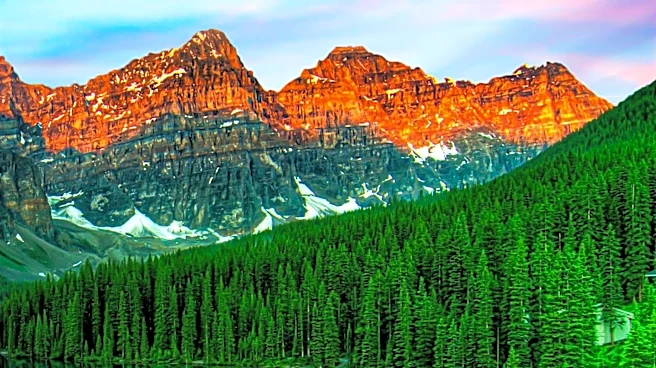
National parks across the U.S. are offering a variety of water-based activities, providing opportunities for recreation before the end of summer. Lake Crescent in Olympic National Park, Washington, is highlighted for its clear waters and accessibility,
with boat launches and beaches. Motorized boats are permitted on Lake Crescent but are limited to a speed of 5 mph. Other notable locations include Assateague Island National Seashore in Maryland and Virginia, known for its beaches and wild horses, and Deep Creek in Great Smoky Mountains National Park, North Carolina, which offers whitewater tubing. Redwoods National Park in California features Enderts Beach, a rugged area known for tidepools, while Glacier National Park in Montana provides mellow rafting on the Flathead River. Yosemite National Park in California offers backcountry swimming at Cathedral Lakes.
Why It's Important?
The diverse water adventures available in U.S. national parks are crucial for promoting outdoor recreation and conservation. These activities encourage public engagement with natural environments, fostering an appreciation for the country's ecological heritage. By offering a range of experiences, from tranquil paddling to adventurous tubing, the parks cater to various interests and fitness levels, making nature accessible to a broader audience. The emphasis on preserving the pristine qualities of these locations, such as the clear waters of Lake Crescent and the Wild and Scenic Flathead River, underscores the importance of environmental stewardship. This also contributes to local economies through tourism, supporting communities surrounding the national parks.
What's Next?
As summer transitions to fall, visitors planning to engage in water activities in national parks should check park-specific conditions and operating hours, as some activities, like rafting on the Flathead River, are dictated by snowmelt and seasonal changes. Park services will continue to manage access and enforce regulations, such as boat speed limits and permit requirements, to ensure safety and environmental protection. Efforts to maintain and improve infrastructure, such as boat launches and trails, will likely continue to support visitor experiences. Additionally, parks may continue to offer guided tours and rentals to enhance accessibility for those without their own equipment.
Beyond the Headlines
The availability of water adventures in national parks reflects a broader societal value placed on connecting with nature and the outdoors. These experiences offer more than just recreation; they provide opportunities for mental and physical rejuvenation, contributing to overall public health. The varying levels of accessibility and types of activities also highlight the complex balance between conservation and public use that national parks must manage. As climate patterns shift, the conditions for these water activities may change, posing challenges for park management and potentially influencing future recreational offerings. This also underscores the ongoing need for public education on responsible outdoor practices to preserve these natural treasures for future generations.