





What's Happening?
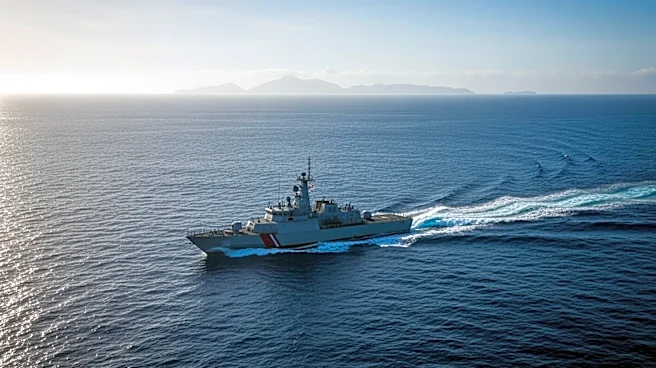
The U.S. military has conducted another strike on a boat in the eastern Pacific Ocean, suspected of drug smuggling, resulting in the deaths of two individuals. This action is part of a broader campaign by the Trump administration against alleged narcoterrorists
in Latin America. Since the campaign began in early September, at least 207 people have been killed in similar strikes. The U.S. Southern Command claims these operations target known smuggling routes, although evidence of drug trafficking on the destroyed vessels has not been provided. The legality and effectiveness of these strikes have been questioned, particularly as fentanyl, a major drug concern, is primarily trafficked overland from Mexico.
Why It's Important?
The strikes highlight the U.S. administration's aggressive stance on drug trafficking, aiming to curb the flow of drugs into the country and reduce overdose deaths. However, the lack of transparency and evidence supporting the narcoterrorist claims raises significant legal and ethical questions. Critics argue that the strikes may not effectively address the root causes of drug trafficking and could potentially violate international law. The operations have drawn scrutiny from lawmakers and legal experts, who question the justification and potential civilian impact of these military actions.
What's Next?
The Pentagon's inspector general plans to evaluate whether the U.S. military followed established targeting protocols during these operations. This review will focus on the Joint Targeting Cycle but will not assess the legality of the strikes. The outcome of this evaluation could influence future military strategies and policies regarding drug trafficking. Additionally, ongoing scrutiny from lawmakers and legal scholars may lead to increased calls for transparency and accountability in military operations.