



What's Happening?
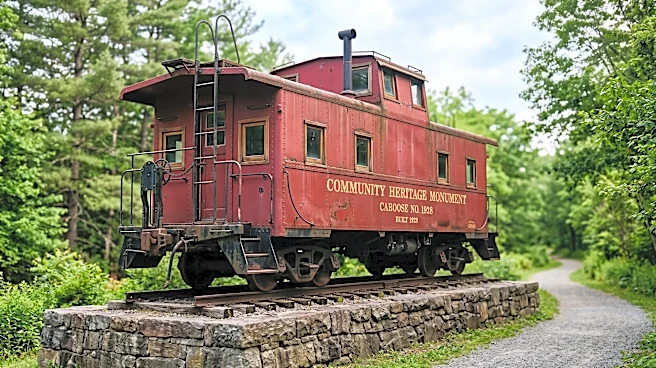
The Salem, New Hampshire Town Council has granted approval for the Friends of the Salem Rail Trail to proceed with a project to install a former Boston & Maine caboose alongside the town's proposed Depot Park. This initiative aims to emphasize the historical
significance of the depot and railroad in the area. The installation, which will be funded through donations, is anticipated to be completed by summer 2027. The caboose, one of approximately 2,500 that went on sale after being phased out across the country around the 1980s due to new technology and the repeal of mandatory use laws, was secured by the Friends of the Rail Trail. The project will require approval from the state Department of Transportation, as the caboose will be situated on state-owned land. A retaining wall will support the platform for the train car, which will be installed in pieces adjacent to the rail trail at the same level, allowing public access. The current paint job on the caboose is about 20 years old, and funds are budgeted for repainting, though additional donations are being sought for the estimated $150,000 installation cost.
Why It's Important?
This project is important for several reasons, primarily its contribution to local historical preservation and community development. The installation of the caboose will serve as a tangible link to Salem's railroad history, enhancing the educational and cultural value of the rail trail and Depot Park. By emphasizing the area's past, it can foster a stronger sense of community identity and pride. Economically, the conceptual redevelopment plan for the area, which includes the caboose, aims to stimulate natural development through partnerships with local businesses, residents, and groups. This approach seeks to improve an area that has historically suffered from congestion and other challenges, potentially increasing local tourism and business activity. The project also highlights the role of community organizations, like the Friends of the Salem Rail Trail, in driving local initiatives and preserving heritage, demonstrating how grassroots efforts can contribute to public spaces and historical interpretation.
What's Next?
The Friends of the Salem Rail Trail will proceed with the project, with formal acceptance of the caboose donation by the Town Council expected in the spring. A key next step involves securing approval from the state Department of Transportation, as the installation site is on state-owned land. Fundraising efforts will continue to cover the estimated $150,000 installation cost, which includes repainting the caboose. Construction and installation are projected to be completed by summer 2027, assuming no significant complications arise. Once installed, the caboose will become a permanent feature of Depot Park, accessible to rail trail users. The broader conceptual redevelopment plan for the area, which the caboose project is a part of, will likely continue to unfold, focusing on further partnerships and initiatives to address congestion and promote economic and historical benefits for the town center.
Beyond the Headlines
The Salem caboose project reflects a broader trend in the U.S. where disused railway infrastructure and equipment are being repurposed for public enjoyment and historical commemoration. As rail lines are converted into recreational trails, communities often seek ways to integrate elements that tell the story of the original railway. This not only preserves a piece of industrial heritage but also adds character and educational value to modern public spaces. The phasing out of cabooses in the 1980s, driven by technological advancements and deregulation, marked a significant shift in railroad operations. Their reintroduction as static displays on rail trails symbolizes a bridge between past and present, allowing new generations to connect with a bygone era of transportation. Such projects also underscore the power of local volunteer groups and community engagement in shaping public amenities and fostering a sense of place, often overcoming logistical and financial hurdles through collective effort.