
What's Happening?
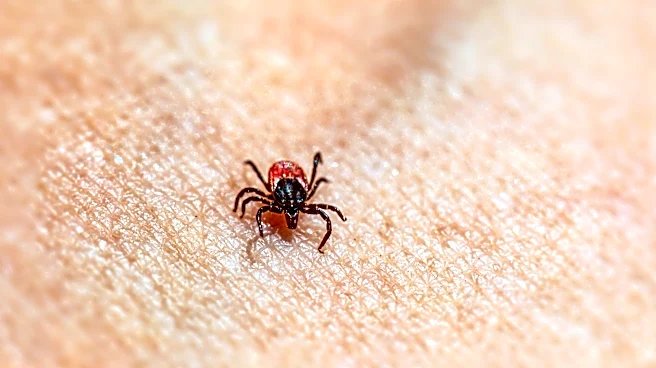
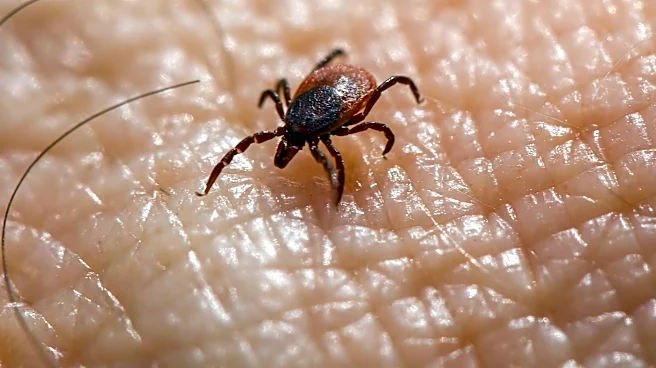
Ohio is experiencing a significant increase in tick populations, particularly in counties such as Belmont, Coshocton, and Jefferson. The main tick species include the black-legged (deer) tick, the Lone
Star tick, and the American dog tick. This rise is attributed to factors like mild winters and climate change. Belmont County leads in Lyme disease cases, with ticks thriving in rural, wooded areas. The Ohio State University study indicates a high prevalence of Lyme-carrying ticks, with up to 47.6% in some areas. The Ohio Department of Health advises residents to take preventive measures, such as wearing long sleeves and using insect repellents, to mitigate the risk of tick-borne diseases.
Why It's Important?
The increase in tick populations poses a public health risk, particularly with the spread of Lyme disease and other tick-borne illnesses. This situation affects not only residents but also visitors and those considering relocation to Ohio. The economic impact could be significant, as healthcare costs rise and outdoor activities become riskier. Public awareness and preventive measures are crucial to managing this health threat. The situation underscores the broader implications of climate change on public health, as warmer temperatures and milder winters contribute to the proliferation of ticks.
What's Next?
Local health departments are likely to intensify monitoring and public education efforts to address the tick surge. Residents may see increased campaigns promoting tick prevention and awareness. There could be calls for more research into effective tick control measures and potential policy responses to mitigate climate change impacts. The healthcare system may need to prepare for a potential rise in Lyme disease cases, requiring more resources for diagnosis and treatment.