







What's Happening?
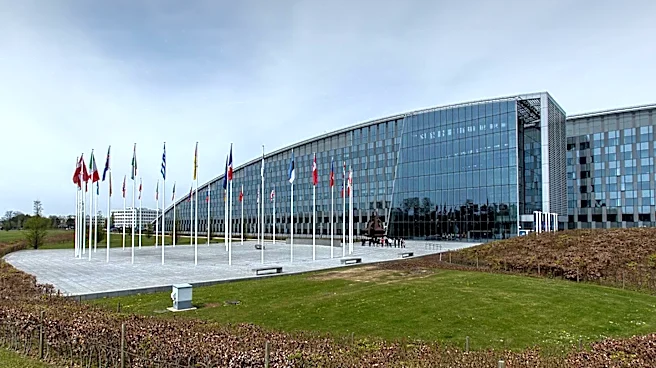
NATO's Persistent Airfield Denial defense innovation competition has announced three winners, including a Ukrainian AI-focused company. The competition, organized by NATO's Allied Command Transformation (ACT) and the NATO-Ukraine Joint Analysis, Training
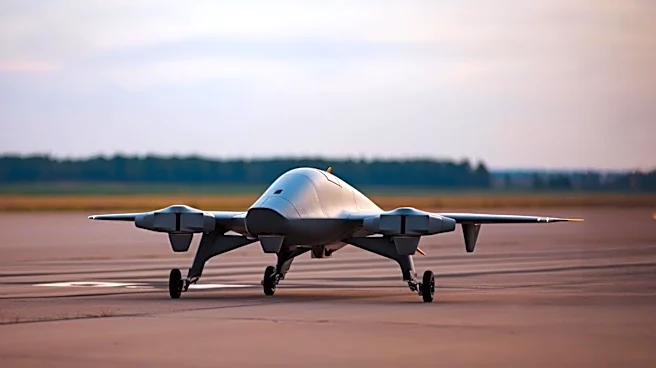
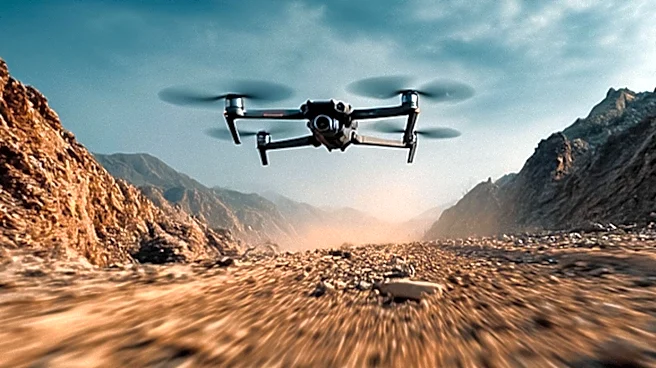
and Education Center (JATEC), aimed to identify technologies capable of limiting an adversary's use of airfield infrastructure and combat aircraft for extended periods. First place was awarded to Czech company LPP Holding for its autonomous long-range uncrewed strike system, designed for GPS-denied and electronic warfare environments. Poland's Supercluster secured second place with its StratoAIM, which utilizes high-altitude balloons to lift large payloads, offering a low-cost and scalable method for threatening remote targets without conventional launch infrastructure. A Ukrainian AI-focused company took third place for its AI-based system for UAVs, focusing on resilient navigation, target recognition, and integration across different platforms in contested environments. Nine teams, selected from over 60 applicants, participated in the final stage held in Warsaw.
Why It's Important?
This NATO competition and its results are highly significant for the United States and its allies, particularly in the context of modernizing defense capabilities and fostering innovation. The focus on "Persistent Airfield Denial" directly addresses a critical vulnerability in potential conflicts, as controlling air superiority is paramount. The winning technologies, especially the autonomous strike systems, high-altitude balloons, and AI-powered UAV systems, represent advancements that could significantly enhance NATO's ability to deter and respond to aggression. For the U.S., this means potential integration of these cutting-edge solutions into its own defense strategies, improving operational effectiveness and reducing reliance on traditional, more costly methods. The inclusion of a Ukrainian company among the winners also highlights the growing importance of Ukrainian miltech expertise, gained from real-world combat experience, which can offer valuable insights and technologies to the broader NATO alliance. This collaboration strengthens transatlantic defense ties and promotes a more agile and technologically advanced collective defense posture.
What's Next?
The next phase for these winning technologies will involve testing and combat trials to assess their effectiveness and potential for further scaling. Based on the results, the organizers will determine their suitability for broader deployment within NATO. This will likely lead to further investment, development, and potential procurement by NATO member states, including the U.S. The emphasis on involving Ukrainian miltech companies suggests continued collaboration and integration of their combat-proven innovations into NATO's defense framework. This could also spur further research and development in areas like autonomous systems, AI for defense, and alternative launch platforms. The competition's success may also encourage NATO to host similar innovation challenges, fostering a continuous cycle of technological advancement to maintain a strategic edge against potential adversaries. The U.S. will likely play a key role in facilitating the integration and deployment of these technologies across the alliance.
Beyond the Headlines
The NATO competition's outcomes point to a deeper strategic shift towards leveraging advanced, often asymmetric, technologies to achieve military objectives. The focus on persistent denial capabilities, rather than solely on direct engagement, reflects an evolving understanding of modern warfare where disrupting an adversary's infrastructure and operational capacity can be as crucial as direct combat. The rise of AI-powered systems and high-altitude platforms also raises ethical and legal questions regarding autonomous weapons and the future of warfare, which will require careful consideration by the U.S. and its allies. Furthermore, the emphasis on involving smaller, innovative companies, including those from Ukraine, signals a move away from traditional, large defense contractors towards a more distributed and agile innovation ecosystem. This could democratize defense technology development, but also presents challenges in terms of standardization, interoperability, and security across the alliance. The long-term implications include a potential transformation of military doctrine and procurement processes, with a greater emphasis on rapid prototyping and integration of emerging technologies.