








What's Happening?
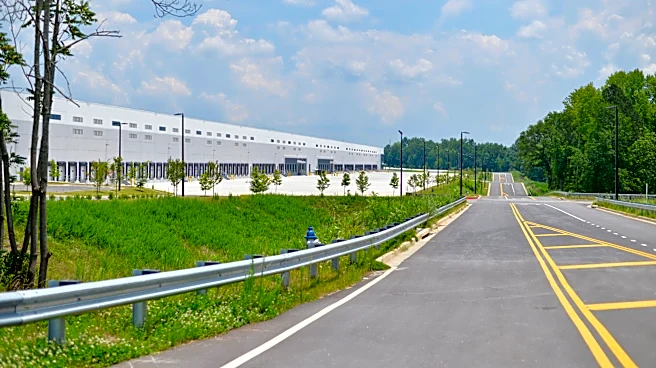
The small town of Social Circle in Georgia has successfully opposed plans by the Department of Homeland Security to convert a local warehouse into a large immigration detention center. The proposed facility would have been one of the largest in the country,
capable of detaining up to 10,000 people, and would have significantly impacted the town's infrastructure, including water, sewage, and emergency services. The federal government had purchased the warehouse for $128 million, a price significantly higher than its assessed value. Local leaders, including city manager Eric Taylor, actively opposed the plan, even shutting off water access to the warehouse. The town also became the first small town to sue the federal government over such plans, employing a unique legal strategy. The cancellation of the detention center is part of a broader reversal under the new homeland security director, Markwayne Mullin, in the Trump administration's efforts to expand detention capacity.
Why It's Important?
The cancellation of the detention center plans in Social Circle highlights the power of local activism and legal action in influencing federal decisions. This development is significant as it reflects a shift in the Trump administration's immigration policy under new leadership. The decision to halt the project alleviates potential strains on the town's resources and infrastructure, preserving the community's character and quality of life. It also sets a precedent for other communities facing similar federal projects, demonstrating that local voices can impact national policy. The outcome may influence future federal decisions regarding the location and expansion of detention facilities, potentially leading to more community engagement and consideration of local impacts.
What's Next?
It remains uncertain what will happen to the warehouse in Social Circle. The federal government may offer it to another agency or sell it to a private buyer. Local leaders prefer the latter, as it would return the property to the tax rolls, benefiting the town financially. The situation underscores the need for improved communication between federal agencies and local communities in future projects. The town's experience may encourage other communities to adopt similar strategies when opposing federal projects that could negatively impact their areas.