







What's Happening?
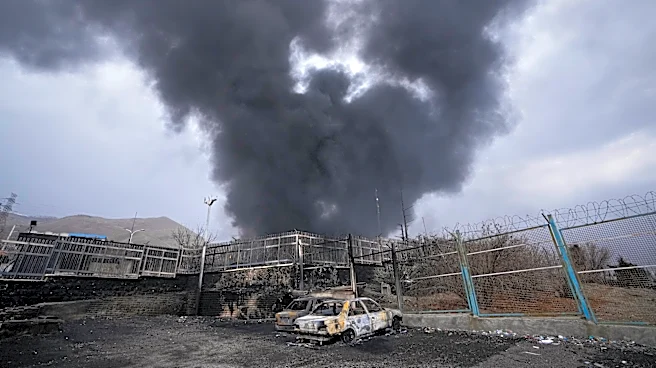
Iran's Supreme National Security Council has approved a temporary scheme allowing businesses to access the global internet with fewer restrictions. This decision comes after a prolonged internet blackout that began with the onset of military actions involving
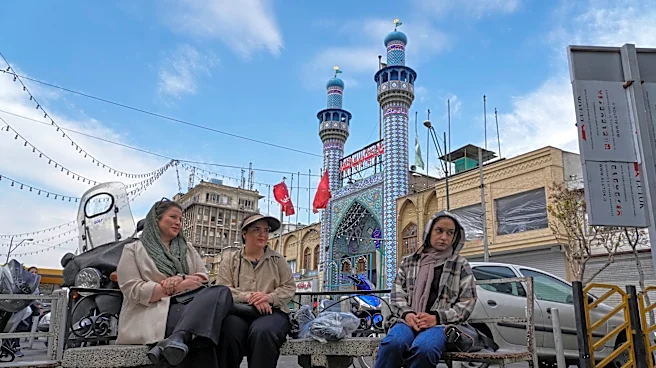
the US and Israel. For the past 60 days, most Iranians have been unable to access the global web, with only a few able to use expensive VPNs to bypass restrictions. The blackout, initially imposed in response to anti-government protests, was reintroduced following military strikes. The current measures aim to balance security concerns with the need for stable internet access for work and daily life, though the exact implementation timeline remains unclear.
Why It's Important?
The internet restrictions in Iran have significant economic implications, particularly for freelancers and small businesses that rely on online activities. The blackout has reportedly caused substantial economic damage, threatening jobs and incomes. The temporary easing of restrictions could provide some relief to these sectors, potentially stabilizing economic activities. However, the broader geopolitical tensions and the government's control over digital communications continue to pose challenges. The situation highlights the complex interplay between national security and economic stability in regions experiencing conflict.
What's Next?
The temporary internet access scheme's success will depend on its implementation and the government's ability to maintain security while allowing more open communication. Stakeholders, including businesses and international observers, will likely monitor the situation closely. The potential for further geopolitical developments could influence future internet access policies. Additionally, the Iranian government's reliance on an intranet for connected services suggests a long-term strategy to control digital communications, which may impact future internet freedom in the country.