
What's Happening?
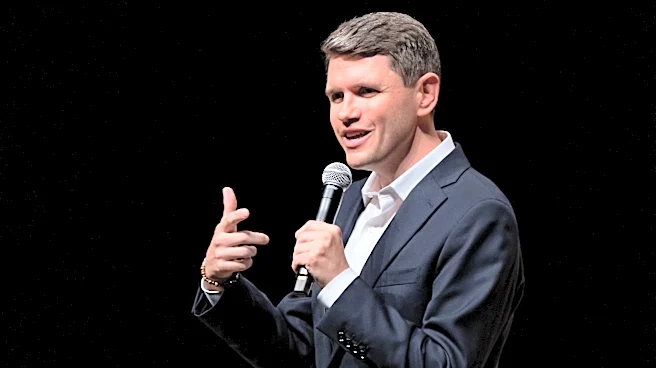
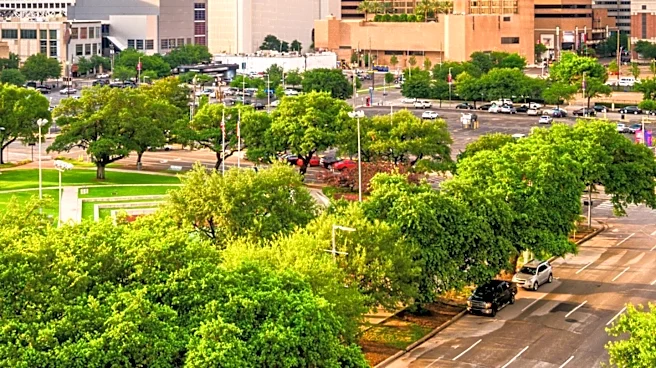
U.S. House District 7 Representative Lizzie Fletcher was present at a celebration on September 29, marking the installation of Pride flag banners along Lower Westheimer in Houston’s Montrose Cultural District.
This event occurred approximately a year after the neighborhood's rainbow crosswalk, a symbol of Montrose, was painted over. The original crosswalk was installed in 2017 following a fatal accident involving Alex Hill. Harris County Attorney Abbie Kamin noted that while the crosswalk focused on safety, the new banners emphasize visibility. The banners, costing around $10,000, were personally funded by Mayor John Whitmire, who highlighted his long-standing support for the LGBTQ+ community. The installation of these banners follows a controversial order from Governor Greg Abbott in October 2025, which mandated the removal of all 'political ideologies' from public streets, leading to the covering of the rainbow crosswalk and sparking debate among city leaders and Montrose residents.
Why It's Important?
This event underscores the ongoing tension between state-level directives and local community expression in Texas, particularly concerning LGBTQ+ visibility and rights. Governor Abbott's 2025 order, which cited the wise use of taxpayer dollars and the need for a safe transportation network free from distraction, led to the removal of the rainbow crosswalk, a move perceived by many as an attack on LGBTQ+ symbols. The subsequent installation of Pride banners, funded privately by Mayor Whitmire and celebrated by local officials including Representative Fletcher, demonstrates a concerted effort by local leaders to reaffirm support for the LGBTQ+ community despite state-level opposition. This situation highlights the differing priorities and interpretations of public space and expression between state and local governance, impacting community identity and the broader discourse on civil liberties in Texas. The financial commitment by Mayor Whitmire also signals a strong local stance against state mandates that are seen as infringing on local autonomy and community values.
What's Next?
The installation of the Montrose Pride banners may lead to further discussions or actions regarding the balance of power between state and local authorities in Texas concerning public displays and community symbols. While the banners were privately funded, circumventing the state's directive on taxpayer-funded displays, the underlying tension remains. Local leaders and LGBTQ+ advocates may continue to seek ways to express community identity and support, potentially through similar privately funded initiatives or by challenging state policies. Conversely, state officials might monitor such actions for compliance with the spirit of the governor's order, potentially leading to new regulations or interpretations of existing ones. The event could also galvanize further community activism and political engagement in Montrose and other areas of Texas, as residents and local officials navigate the complexities of state oversight versus local self-determination.
Beyond the Headlines
The Montrose Pride banner installation transcends a simple act of decoration; it represents a deeper struggle over cultural representation and the definition of public space. The rainbow crosswalk, initially a memorial for a traffic fatality, evolved into a powerful symbol of LGBTQ+ pride and safety. Its removal, under the guise of depoliticizing public infrastructure, was widely interpreted as a direct challenge to the LGBTQ+ community's visibility. The re-emergence of Pride symbols through banners, even if privately funded, signifies resilience and a strategic adaptation by the community and its allies. This ongoing narrative reflects broader national debates about identity politics, freedom of expression, and the role of government in regulating public symbols. It also highlights the ethical considerations of state power when it impacts local community identity and the potential for such actions to foster division or, conversely, strengthen community solidarity in the face of perceived adversity.