

What's Happening?
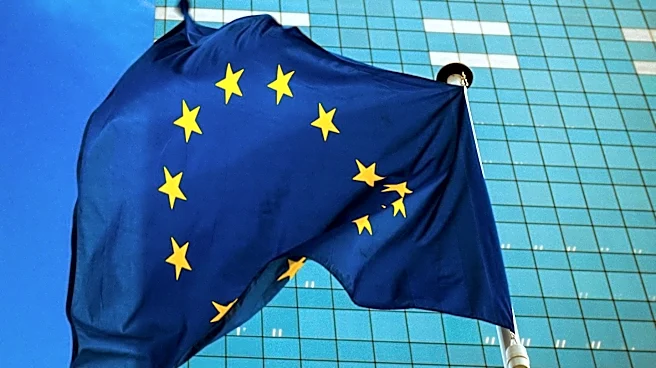
Luigi Di Maio, the European Union’s Special Representative for the Gulf, has emphasized the need for Europe to enhance its cooperation with Gulf States in security, defense, and connectivity. Speaking at the ISPI ‘Med Dialogues 2026’ conference, Di Maio stated
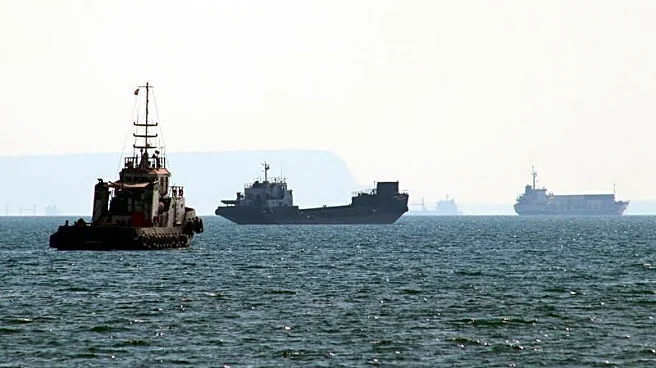
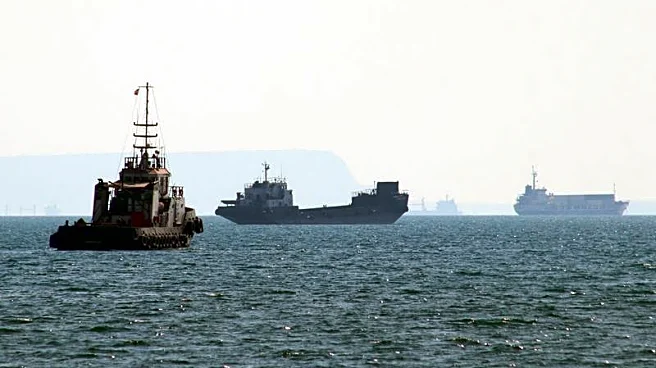
that while the alliance with the United States remains crucial, Europe must develop complementary capabilities to jointly address regional threats with Arab partners. He identified three key areas for increased support from Brussels to the Gulf Cooperation Council countries: maritime security, countering drones and missiles, and protecting civilian infrastructure. Di Maio highlighted the existing European naval missions, Atalanta and Aspides, noting the Italian Navy's contributions. He specifically pointed out that Operation Aspides, which safeguards navigation in the Red Sea and Bab el-Mandeb Strait, currently has insufficient assets, with only three ships against a target of ten. He stressed the urgency of increasing available assets and potentially extending Europe's presence to the Strait of Hormuz, contingent on greater contributions from EU Member States.
Why It's Important?
This call for enhanced European defense cooperation with Gulf States signifies a strategic shift towards greater self-reliance and burden-sharing in regional security, aligning with the U.S. request for allies to take on more responsibility for their own defense. The Middle East crisis has underscored the urgency of this need. For the U.S., a stronger European security presence in the Gulf could potentially alleviate some of its own military commitments in the region, allowing for a reallocation of resources. However, it also implies a more complex geopolitical landscape where European interests might diverge or align differently from those of the U.S. The focus on maritime security, particularly in critical waterways like the Red Sea, Bab el-Mandeb Strait, and potentially the Strait of Hormuz, is vital for global trade and energy supplies, impacting U.S. economic interests. Increased European capabilities in countering drones and missiles could also contribute to regional stability, indirectly benefiting U.S. security objectives by mitigating threats to its allies and assets.
What's Next?
The immediate next step involves EU Member States considering Di Maio's call for increased contributions to Operation Aspides and other defense initiatives in the Gulf. This would entail commitments of more naval assets and resources to bolster European capabilities. Discussions are likely to continue within EU defense councils and with individual member states to secure these contributions. Furthermore, there will be ongoing diplomatic efforts to coordinate with Gulf Cooperation Council countries on specific defense and security projects, particularly in maritime security and anti-drone/missile technologies. The potential extension of Operation Aspides' mandate to include the Strait of Hormuz will require further deliberation and consensus among EU members, as it would represent a significant expansion of the mission's scope. The U.S. will likely monitor these developments closely, assessing how increased European involvement impacts regional power dynamics and its own strategic interests.
Beyond the Headlines
The push for greater European defense cooperation in the Gulf reflects a broader trend of Europe seeking more strategic autonomy, moving beyond its traditional reliance on the U.S. for security in certain regions. This initiative could lead to a more multipolar security architecture in the Middle East, where European influence grows alongside that of the U.S. and regional powers. Ethically, it raises questions about the extent of European responsibility in maintaining global maritime security and stability, especially in areas critical for international trade. Legally, expanding missions like Aspides to new areas like the Strait of Hormuz would require careful consideration of international law and mandates. Culturally, deeper defense ties could foster greater understanding and collaboration between European and Gulf nations, potentially leading to broader diplomatic and economic partnerships. This development could also signal a long-term shift in global security paradigms, with regional blocs taking on more prominent roles in their respective spheres of influence.