
What's Happening?
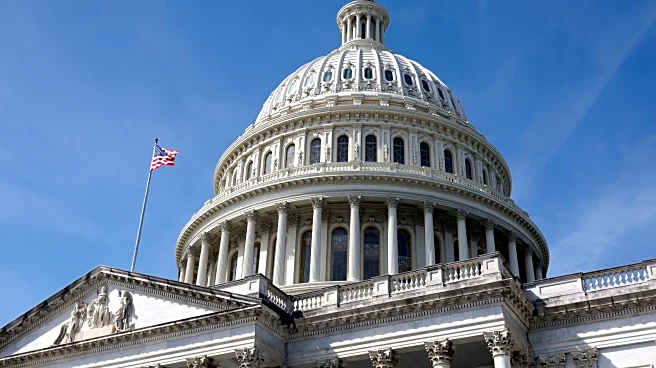
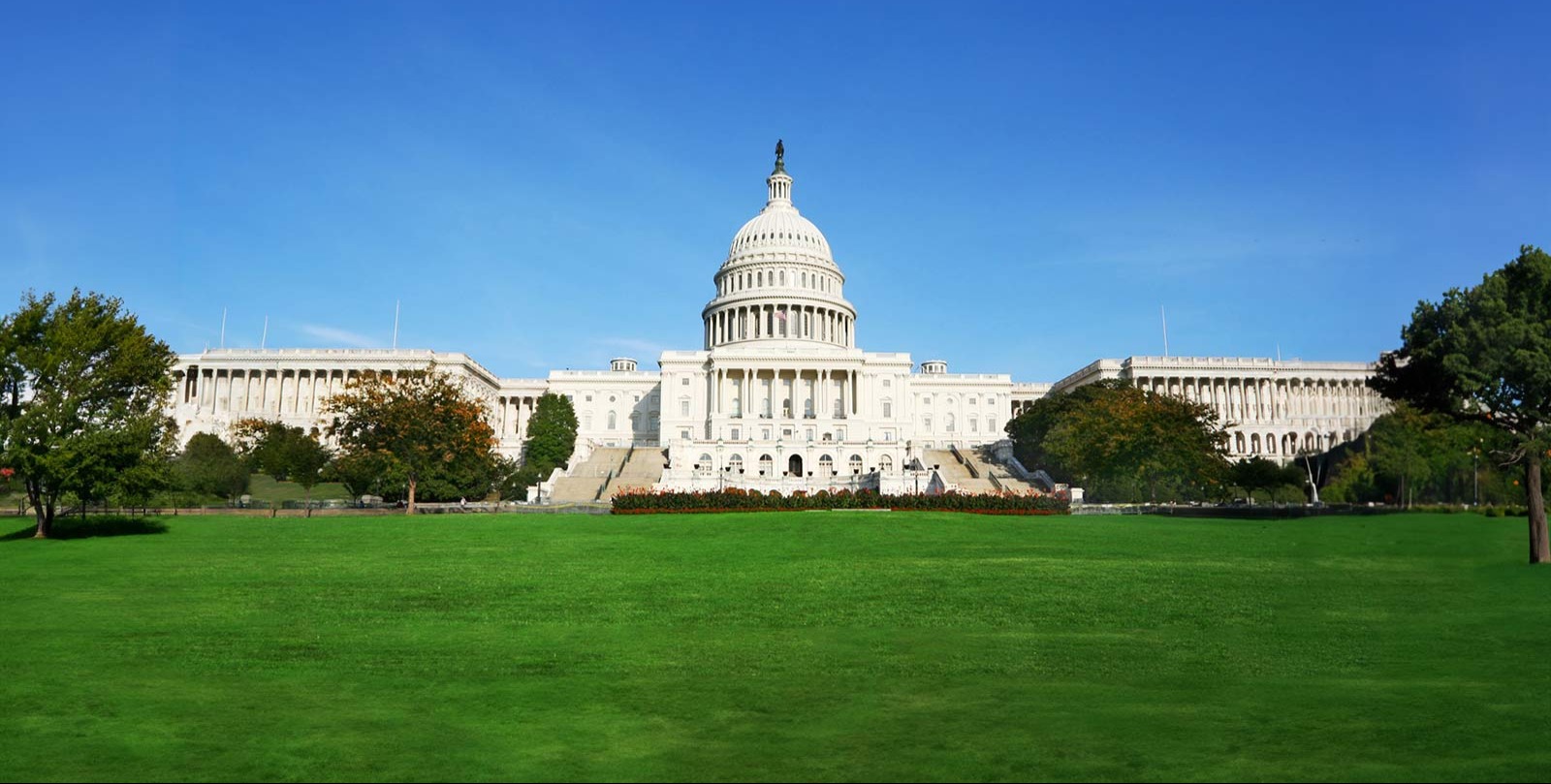
The U.S. House of Representatives, led by Speaker Mike Johnson, has rejected a Senate bill intended to fund the Department of Homeland Security (DHS), including the Transportation Security Administration (TSA). The Senate had passed a bill to fund all
of DHS except for Immigration and Customs Enforcement (ICE) and Border Patrol, which already have sufficient funds from previous legislation. However, Speaker Johnson criticized the Senate's proposal as inadequate and announced that the House would instead vote on a bill to fund all of DHS, including ICE and Border Patrol, for 60 days. This move has left the Senate, which is currently in recess, unable to respond, and the bill is unlikely to secure the necessary 60 votes in the Senate. Meanwhile, President Trump may consider issuing an executive order to pay TSA agents until a funding bill is passed.
Why It's Important?
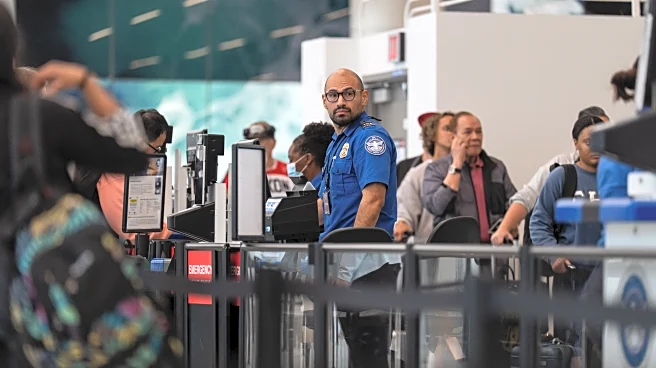
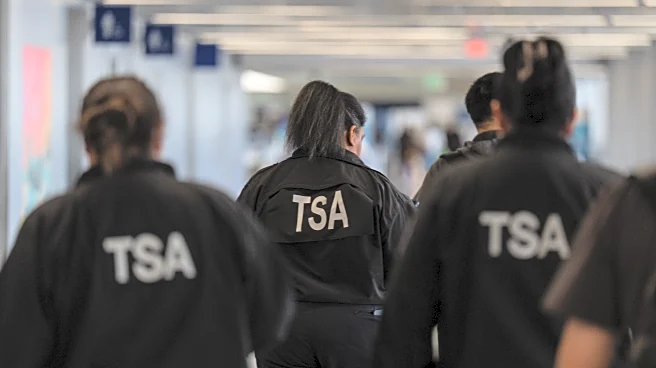
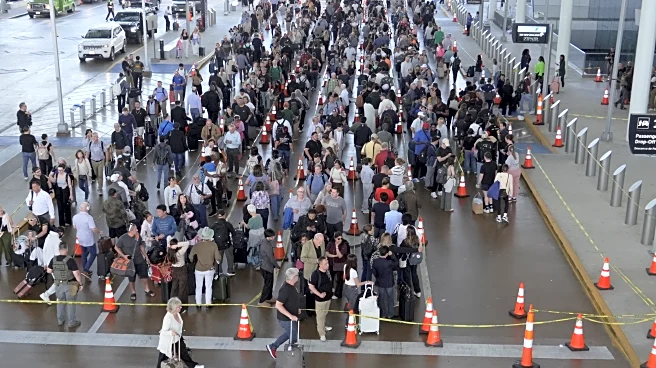
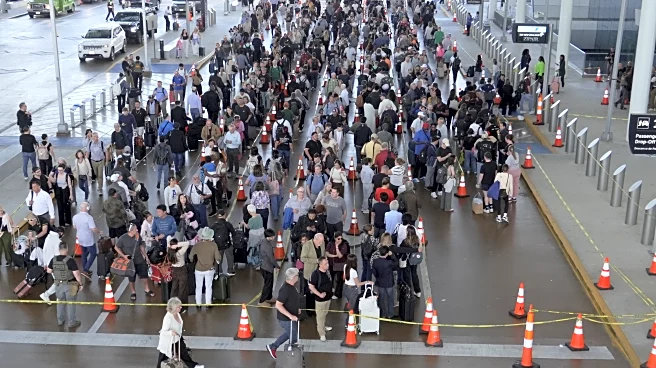
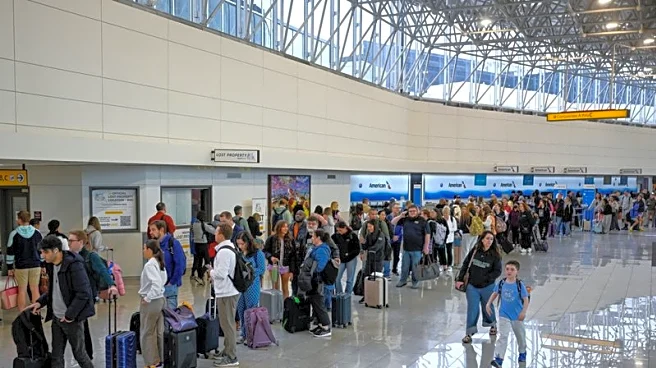
The ongoing DHS shutdown has significant implications for national security and public convenience, particularly affecting airport operations. The lack of funding has led to long lines at airports as TSA agents, who are working without pay, are quitting or calling in sick. This situation has pressured the Senate to act, but the House's refusal to pass the Senate's bill prolongs the shutdown. The impasse highlights the deep political divisions in Congress and the challenges in reaching bipartisan agreements on critical funding issues. The potential use of an executive order by President Trump to address the funding gap raises legal and constitutional questions.
What's Next?
The House's decision to propose a 60-day funding bill for DHS, including ICE and Border Patrol, sets the stage for further political negotiations. The Senate's absence due to recess complicates immediate resolution, and the proposed House bill is unlikely to pass in the Senate. If the shutdown continues, it could lead to increased public frustration and pressure on lawmakers to find a compromise. Additionally, President Trump's potential executive order to fund TSA agents could face legal challenges, adding another layer of complexity to the situation.