





What's Happening?
New Jersey has experienced a series of heat-related deaths, with at least 19 fatalities suspected to be linked to a recent heat dome affecting the central and eastern United States. The extreme temperatures, which reached record highs in several areas,
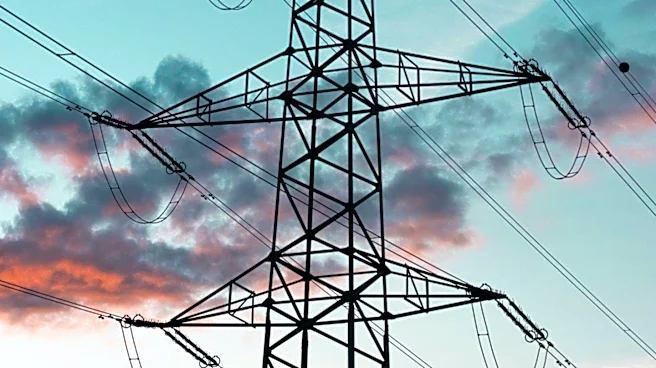
have now given way to severe thunderstorms, resulting in power outages for nearly 1 million homes and businesses. State Health Commissioner Dr. Raynard Washington reported that many of the deceased were found in homes without air conditioning, while others were outside or in parked cars. Governor Mikie Sherrill described the weather as the hottest stretch in over 14 years, affecting people of all ages.
Why It's Important?
The heat dome and subsequent thunderstorms highlight the increasing frequency and severity of extreme weather events, likely exacerbated by climate change. These conditions pose significant risks to public health, particularly for vulnerable populations without access to air conditioning or adequate shelter. The power outages further complicate the situation, disrupting daily life and emergency responses. This event underscores the need for improved infrastructure and emergency preparedness to mitigate the impacts of such extreme weather. It also raises awareness about the importance of addressing climate change to prevent future occurrences.
What's Next?
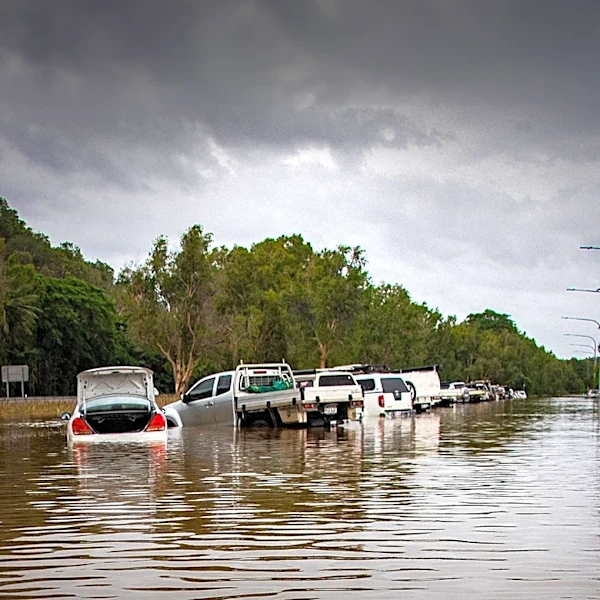
As the heat dome moves eastward, temperatures are expected to decrease slightly, but severe storms continue to pose a threat. Authorities are monitoring the situation closely, with flood warnings in effect for several regions. Efforts are underway to restore power and provide assistance to affected residents. The state government may consider implementing additional measures to protect vulnerable populations during extreme weather events, such as establishing cooling centers and enhancing public communication strategies.