





What's Happening?
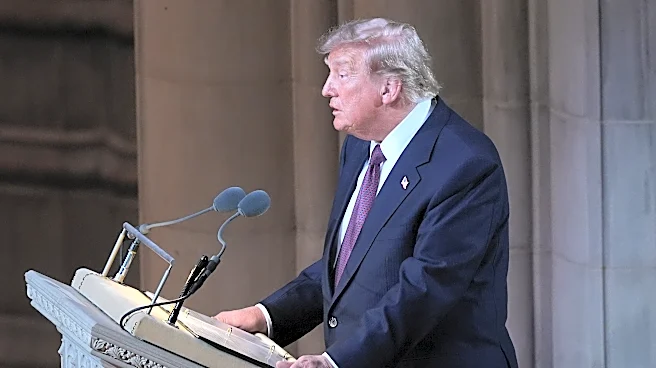
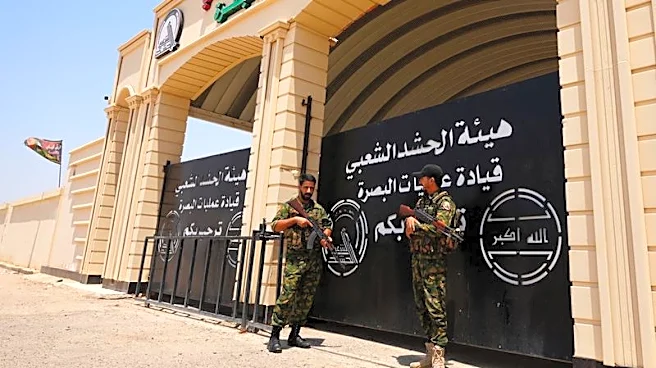
The United States, under President Trump, is grappling with strategic decisions following renewed military strikes on Iran. The conflict, which has persisted for five months, has seen the U.S. targeting Iranian assets in response to attacks on American
interests. The latest strikes targeted the Islamic Revolutionary Guard Corps, but questions remain about the effectiveness of these actions in forcing Iran to negotiate or cease hostilities. The situation is further complicated by strained munitions supplies and the impact on global energy markets.
Why It's Important?
The ongoing conflict with Iran poses significant geopolitical and economic challenges for the U.S. The military engagement risks escalating tensions in the Middle East, potentially disrupting global oil supplies and affecting energy prices. Domestically, the conflict could strain military resources and impact public opinion, especially as support for prolonged military involvement wanes. The administration's handling of the situation will have implications for U.S. foreign policy and its standing in international relations.
What's Next?
President Trump faces critical decisions on whether to escalate military actions or seek diplomatic solutions. The administration must weigh the potential benefits of continued military pressure against the risks of further destabilizing the region. The outcome of these decisions will influence U.S. relations with allies and adversaries, as well as domestic political dynamics. Observers will be watching for any shifts in strategy or new diplomatic initiatives that could alter the course of the conflict.