

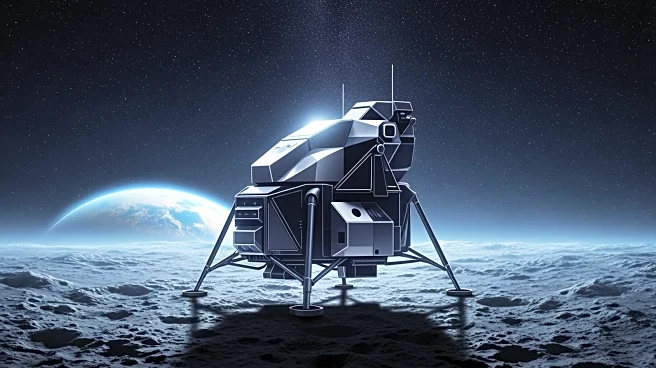

What's Happening?
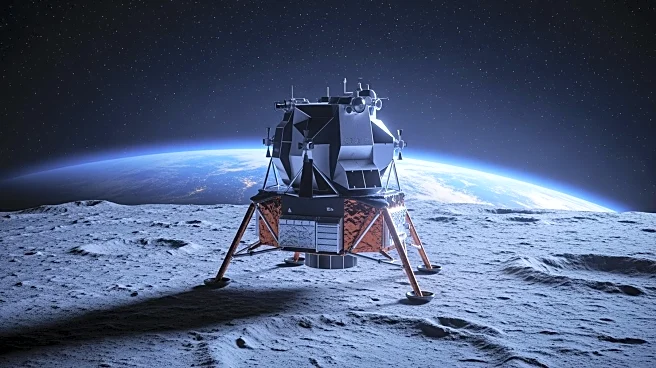
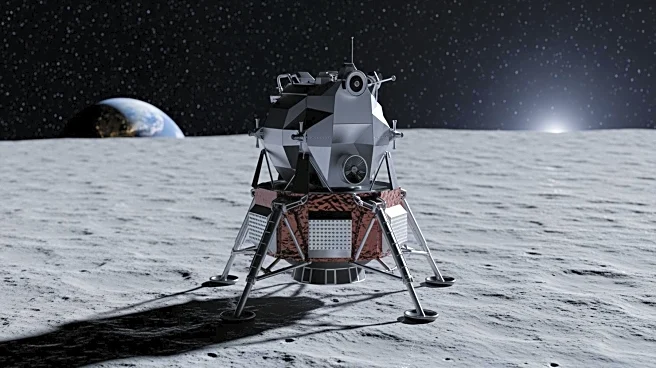
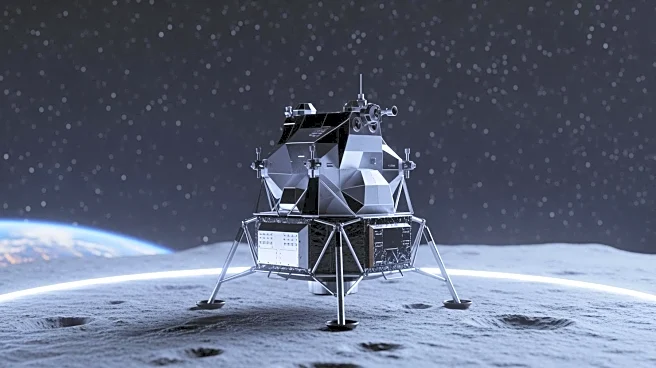
NASA has announced a significant shift in its Artemis program, canceling the planned Artemis 3 moon landing. The decision comes amid concerns over the readiness of key spacecraft components, particularly the Human Landing System (HLS), as highlighted
by NASA’s Aerospace Safety Advisory Panel (ASAP). The Artemis 3 mission, initially set to be the first crewed lunar landing since Apollo 17 in 1972, will now focus on testing key technologies in low Earth orbit. This change aims to reduce mission complexity and ensure a safer, more reliable return to the Moon. The first crewed lunar landing is now rescheduled for Artemis 4 in 2028.
Why It's Important?
The cancellation of the Artemis 3 moon landing underscores NASA's commitment to safety and thorough preparation in its lunar exploration efforts. By delaying the crewed landing, NASA aims to address technical challenges and ensure that all mission components, including the Space Launch System (SLS) and Orion spacecraft, are fully ready. This cautious approach is intended to prevent potential pitfalls and ensure the success of future missions. The decision reflects NASA's strategy to increase the launch cadence and gain more experience before attempting a high-stakes lunar landing, ultimately aiming for a sustainable human presence on the Moon.
What's Next?
NASA will now focus on testing systems in low Earth orbit with Artemis 3, setting the stage for a crewed lunar landing with Artemis 4 in 2028. The agency is addressing technical challenges, such as issues with the SLS rocket's helium flow system, to ensure readiness for future missions. NASA's revised timeline emphasizes incremental testing and readiness, aligning with recommendations from the ASAP report. This approach aims to replicate the success of previous space programs by ensuring that all mission components work seamlessly together, paving the way for a successful return to the lunar surface.