







What's Happening?
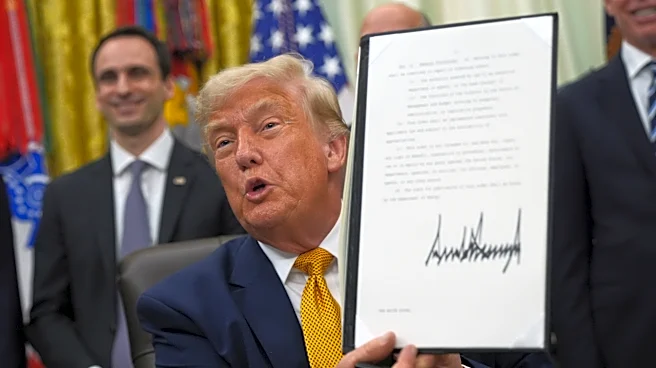
Activists are mobilizing against proposed federal policy changes that threaten to significantly reduce funding for HIV/AIDS programs in the United States. The Trump administration's new Medicaid rules, part of the One Big, Beautiful Bill Act, require
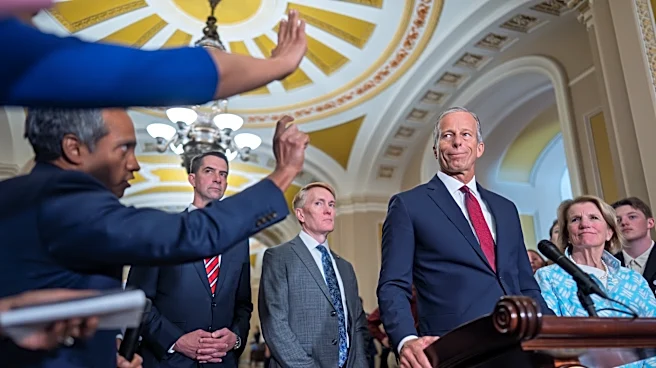
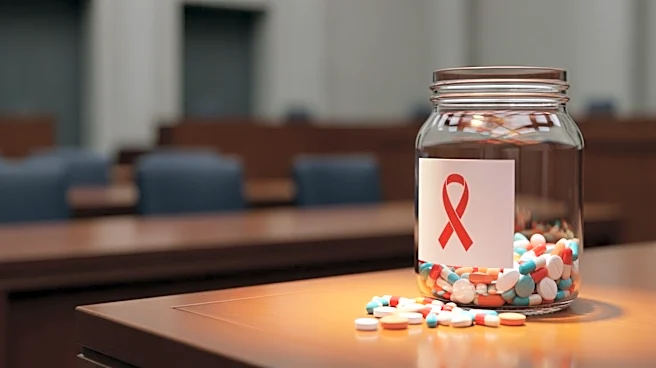
low-income Americans to meet work requirements to maintain their health coverage, potentially affecting millions, including those with HIV. Additionally, the U.S. House has proposed cutting $225 million from the Ryan White HIV/AIDS program, which provides low-cost care to many Americans with HIV. Activists have been actively protesting these cuts, organizing rallies and lobbying Congress to prevent the rollback of decades of progress in HIV treatment and prevention.
Why It's Important?
The proposed funding cuts could have severe consequences for individuals living with HIV, many of whom rely on Medicaid and the Ryan White program for essential healthcare services. The new Medicaid work requirements could lead to a loss of coverage for millions, disrupting treatment and potentially increasing HIV transmission rates. The cuts also threaten to undermine public health efforts and exacerbate health disparities, particularly affecting marginalized communities. Activists argue that these changes could reverse significant advancements made in HIV treatment and prevention over the past four decades, posing a public health risk.
What's Next?
Activists are continuing to pressure lawmakers to reject the proposed cuts and are preparing for potential legal challenges. Organizations like Housing Works and Act Up are actively lobbying Congress and engaging in public demonstrations to raise awareness and garner support. The outcome of these efforts will be crucial in determining the future of HIV/AIDS funding and healthcare access in the U.S. The situation remains fluid, with activists committed to maintaining pressure on policymakers to ensure continued support for HIV/AIDS programs.
Beyond the Headlines
The proposed cuts highlight broader issues of healthcare access and the ongoing struggle for equitable treatment of marginalized communities. The activism surrounding these cuts is part of a larger movement advocating for comprehensive healthcare reform and social justice. The situation underscores the importance of sustained advocacy and the need for a robust public health infrastructure to address not only HIV but also other health crises that disproportionately affect vulnerable populations.