



What's Happening?
The United Nations and scientists have issued warnings about the intensifying El Niño, which is already showing record-breaking intensity early in its cycle. This natural warming of the Pacific Ocean is expected to exacerbate global weather extremes,
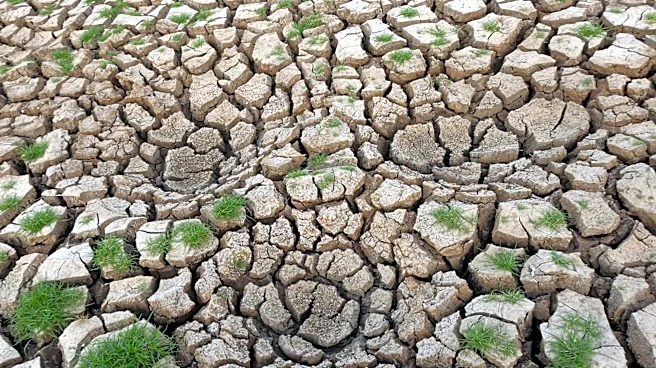
including heatwaves, droughts, and heavy rainfall. The World Meteorological Organization predicts that El Niño will peak in the coming months and last through spring 2027, affecting weather patterns worldwide. The phenomenon is expected to combine with ongoing global warming, leading to unprecedented heat and chaotic weather conditions.
Why It's Important?
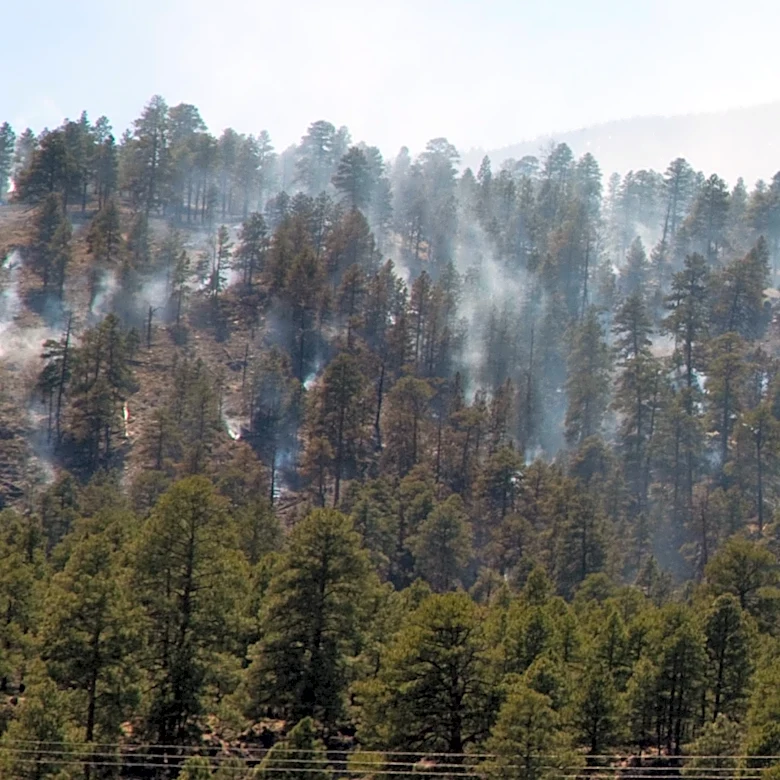
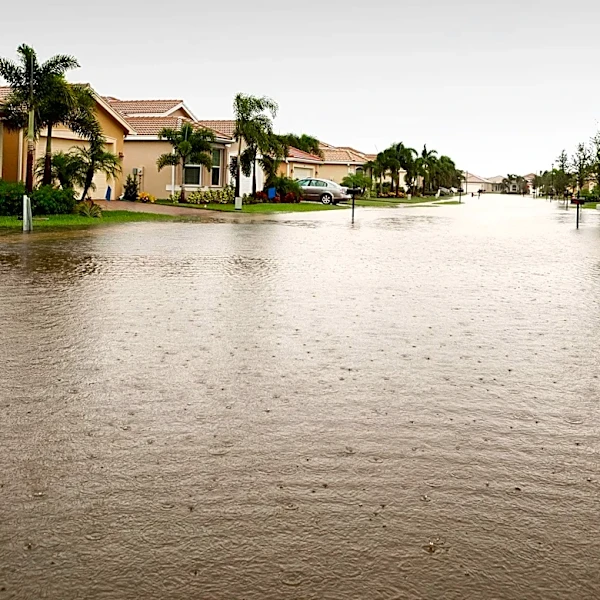
The intensifying El Niño poses significant risks to global weather stability, with potential impacts on agriculture, water resources, and public health. Regions such as Indonesia, India, and parts of Africa may face severe droughts and wildfires, while areas like the United States and Southern Europe could experience increased rainfall. These changes could disrupt food production, exacerbate water scarcity, and increase the frequency of natural disasters. The situation underscores the urgent need for governments and communities to prepare for and mitigate the impacts of climate change.
What's Next?
Governments and organizations are urged to implement early warning systems and develop strategies to cope with the anticipated weather extremes. The UN emphasizes the importance of reducing fossil fuel consumption to mitigate the long-term effects of climate change. As El Niño progresses, continuous monitoring and adaptation will be crucial to minimize its impact on vulnerable regions. The international community may also need to enhance cooperation and support for affected countries to address the challenges posed by this climate phenomenon.