








What's Happening?
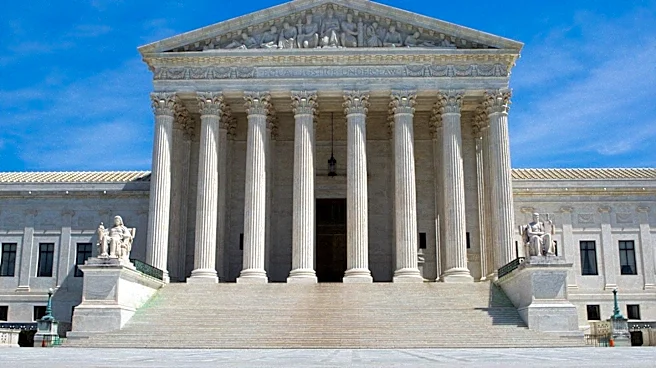
Following a Supreme Court ruling favoring Bayer over its Roundup weedkiller, the Environmental Protection Agency (EPA) has approved or expanded the use of six pesticides. These include fluoxapiprolin, epyrifenacil, diflufenican, trifludimoxazin, chlormequat
chloride, and bifenthrin. Environmental groups have criticized these approvals, citing potential ecological and health risks. The Supreme Court decision, which preempts state-law claims against pesticide manufacturers, has significant implications for consumer protection and environmental regulation. The EPA argues that the new approvals provide alternatives to older products, but conservation groups warn of the chemicals' potential long-term impacts.
Why It's Important?
The EPA's actions following the Supreme Court ruling highlight the ongoing tension between regulatory agencies and environmental advocacy groups. The approval of new pesticides raises concerns about the potential health and environmental impacts, particularly given the classification of some chemicals as PFAS, or 'forever chemicals.' The decision underscores the influence of federal rulings on regulatory practices and the challenges in balancing agricultural needs with public health and environmental protection. The ruling also reflects broader debates within the Republican Party regarding agricultural deregulation and public health priorities.
What's Next?
The EPA's pesticide approvals are likely to face continued scrutiny and potential legal challenges from environmental groups. The agency may need to address concerns about the long-term impacts of these chemicals and their classification as PFAS. The situation may prompt further discussions on regulatory standards and the role of federal agencies in protecting public health and the environment. The political implications of the Supreme Court ruling may also influence future policy decisions and regulatory approaches.