



What's Happening?
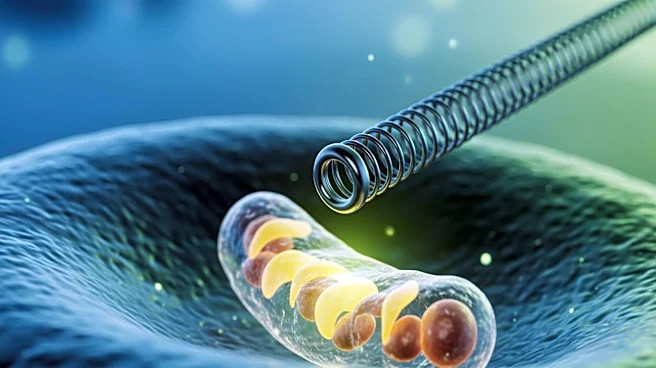
Researchers at TU Delft and SoundCell have developed a novel method to identify bacteria using sound, employing nanoscale graphene drums. These 'nanodrums' convert the movements of bacteria into acoustic patterns, allowing for the identification of bacterial
species and their antibiotic resistance. The technology has shown that different bacteria produce distinct sounds, which can be used to diagnose infections and determine antibiotic efficacy. This method offers a rapid alternative to traditional bacterial identification techniques, potentially transforming diagnostic practices in healthcare settings.
Why It's Important?
The ability to quickly identify bacterial infections and their resistance to antibiotics is critical in combating antimicrobial resistance, a growing global health threat. This technology could significantly reduce the time required to diagnose infections and determine effective treatments, potentially saving lives and reducing healthcare costs. By providing a faster diagnostic tool, hospitals can more effectively manage bacterial outbreaks and tailor antibiotic treatments to individual patients, reducing the misuse of antibiotics and slowing the spread of resistant strains.
What's Next?
SoundCell is currently testing their nanodrum technology in hospitals in the Netherlands to validate its effectiveness in clinical settings. If successful, this technology could be widely adopted in healthcare facilities, providing a new standard for rapid bacterial diagnostics. Future developments may include refining the technology for broader applications and integrating it into existing diagnostic workflows. The success of these trials could lead to international adoption, significantly impacting global healthcare practices.