







What's Happening?
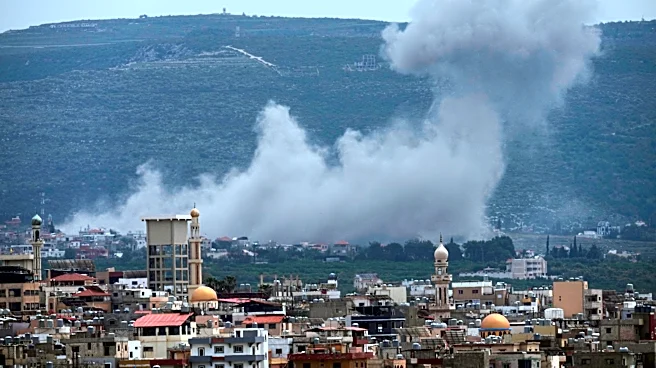
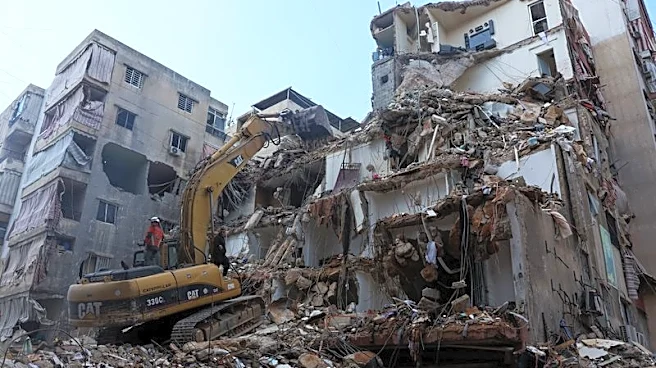
Hezbollah, Iran's key proxy, remains a significant factor in U.S.-Iran diplomacy, particularly concerning Israel's security. Despite numerous Israeli strikes, Hezbollah retains substantial military capabilities, including long-range missiles and drones.
The U.S. has treated the Lebanon and Iran fronts as separate, but Hezbollah's actions are deeply intertwined with Iran's strategic goals. The group has repeatedly targeted Israeli civilians, and its influence over Lebanon's government complicates regional stability. The potential for U.S. pressure on Israel to halt operations against Hezbollah raises concerns about future security threats.
Why It's Important?
Hezbollah's continued military presence and influence in Lebanon pose a direct threat to Israel and challenge U.S. strategic interests in the region. The group's ability to operate as an extension of Iran's military ambitions underscores the complexity of Middle Eastern geopolitics. A premature halt to Israeli operations against Hezbollah could embolden the group, leading to increased regional instability and potential conflict. The situation highlights the delicate balance the U.S. must maintain in its diplomatic efforts with Iran while ensuring the security of its allies.
Beyond the Headlines
The integration of Hezbollah into Lebanon's political and military structures complicates efforts to address its influence. The group's control over significant portions of Lebanon and its alignment with Iran's ideological goals present challenges for regional diplomacy. The potential for Hezbollah to expand its operations beyond the Middle East, including through global terror networks, poses a broader threat to international security. The situation calls for a nuanced approach that considers both immediate security concerns and long-term geopolitical dynamics.