



What's Happening?
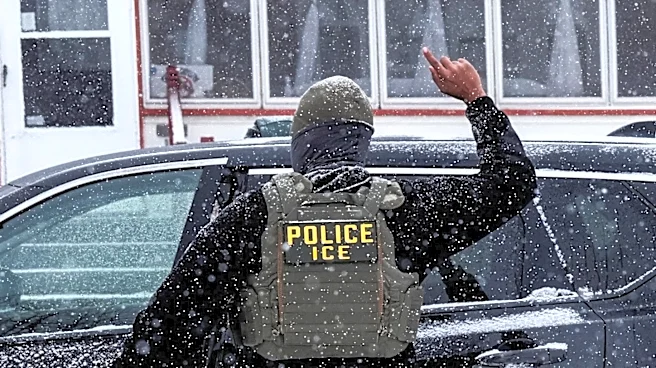
Immigration and Customs Enforcement (ICE) officer Christian Castro has pleaded not guilty to six federal counts of making false statements to the FBI. The charges stem from a January 14 shooting incident in Minneapolis where Castro shot and wounded Julio
Cesar Sosa-Celis. Prosecutors allege that Castro lied to investigators, claiming he was attacked with a broom handle and a snow shovel before he fired his weapon. Castro appeared before a U.S. magistrate judge in Minnesota, following his indictment earlier this month. This federal case follows state assault charges filed against Castro in May, which led to a protracted legal battle over his extradition from Texas to Minnesota. The Department of Homeland Security has previously labeled Minnesota's prosecution of Castro as "unlawful and nothing more than a political stunt," asserting that only federal authorities have jurisdiction over such matters. Castro was suspended without pay by ICE earlier this year and was released on a $75,000 bond with a GPS ankle monitor, and ordered to surrender his passport and personal firearms.
Why It's Important?
This case marks the first Justice Department prosecution of a federal officer for actions taken during this year's Operation Metro Surge, an immigration crackdown in Minneapolis that led to widespread protests and other incidents. The legal proceedings highlight a significant jurisdictional dispute between state and federal authorities regarding the accountability of federal officers. The Trump administration, through the Department of Homeland Security, has maintained that federal officers are exclusively under federal jurisdiction, challenging state-level charges. This stance has created tension between federal agencies and state governments, particularly in states like Minnesota, which has been a frequent target of criticism from President Trump. The outcome of this case could set a precedent for how federal officers are prosecuted for actions taken during official duties, potentially influencing future interactions between federal law enforcement and local jurisdictions, and impacting public trust in both state and federal justice systems.
What's Next?
Following his not guilty plea, Christian Castro will proceed through the federal court system, which will involve further hearings, discovery, and potentially a trial. The ongoing legal battle between state and federal authorities over jurisdiction is likely to continue, as the Department of Homeland Security has already voiced strong opposition to state-level prosecution. The case will be closely watched for its implications on federal officer accountability and the balance of power between state and federal legal systems. Depending on the verdict, there could be significant repercussions for Castro's career and for ICE's operational protocols. The political dimensions of the case, given President Trump's previous comments on Minnesota and the immigration crackdown, suggest that it will remain a high-profile issue, potentially influencing public discourse on immigration enforcement and federal oversight.
Beyond the Headlines
The prosecution of a federal officer for actions during an immigration operation raises profound questions about the limits of federal authority and the rights of individuals during enforcement actions. The allegations of false statements by an ICE officer could erode public confidence in law enforcement transparency and accountability. This case also underscores the broader societal debate surrounding immigration policy and the methods used to enforce it. The dispute over jurisdiction between state and federal entities highlights a fundamental tension in the U.S. legal framework, particularly when federal operations intersect with local communities. The outcome could influence future legislative efforts to clarify the legal standing of federal agents and the extent of their immunity from state prosecution, potentially leading to reforms in how such incidents are investigated and adjudicated. It also brings to light the ethical considerations for officers operating under intense political scrutiny and the potential for perceived retaliation against whistleblowers within federal agencies.