


What's Happening?
NASA's Aerospace Safety Advisory Panel (ASAP) has released its 2025 annual report, which evaluates NASA's performance and identifies challenges in its operations. The report acknowledges NASA's safety achievements but highlights significant challenges due
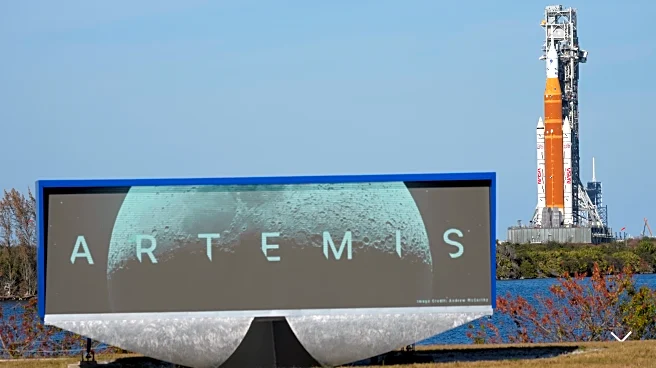
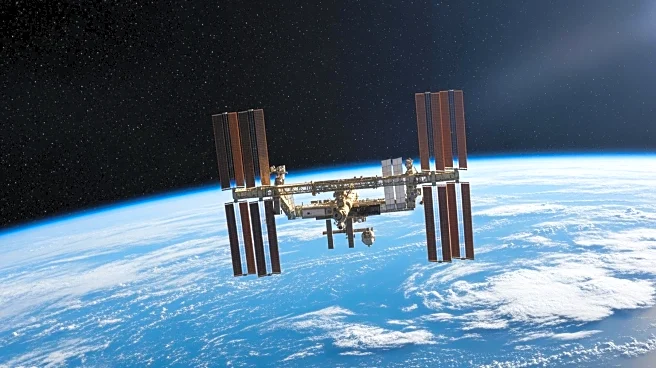
to interconnected factors such as workforce, acquisition, technical authority, budgets, and the complexity of human spaceflight. NASA Administrator Jared Isaacman emphasized the importance of transparency and accountability in addressing these challenges. The report covers topics like strategic vision, governance, the Moon to Mars program, and health risks in human spaceflight. It also notes progress in Artemis II readiness and safe operations of the International Space Station, while flagging challenges in Artemis III's risk posture and space station deorbit planning.
Why It's Important?
The report is crucial as it provides an independent assessment of NASA's safety practices, which is vital for the agency's future missions, including the Artemis lunar campaign and the transition to a commercial presence in low Earth orbit. Addressing the challenges highlighted in the report is essential for maintaining the safety of crews and ensuring the success of ambitious space missions. The recommendations for realigning governance and re-examining mission objectives aim to enhance NASA's risk management and operational efficiency, which are critical for the agency's long-term goals in space exploration.
What's Next?
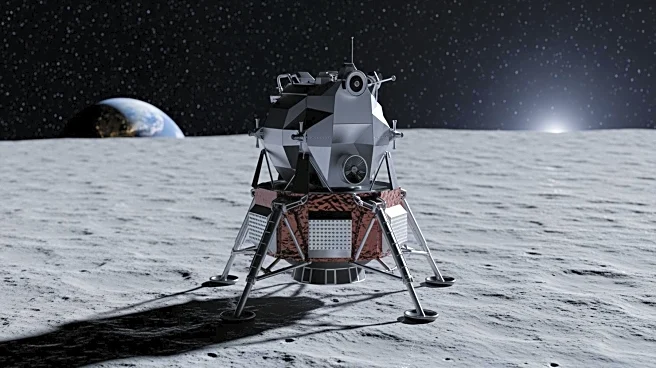
NASA plans to implement changes based on the report's recommendations, including recalibrating acquisition strategies and increasing launch cadence. The agency is also aligning its long-term vision to guide priorities, such as clarifying plans for the Artemis architecture and accelerating proposals for human landing systems. These steps are part of NASA's commitment to transparency and accountability, ensuring the agency meets the expectations of being the world's most accomplished space agency.