




What's Happening?
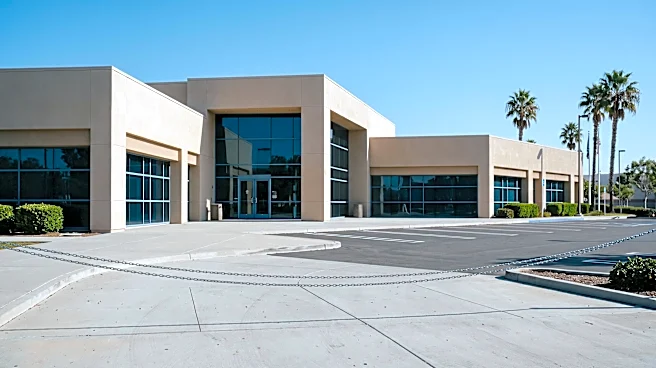
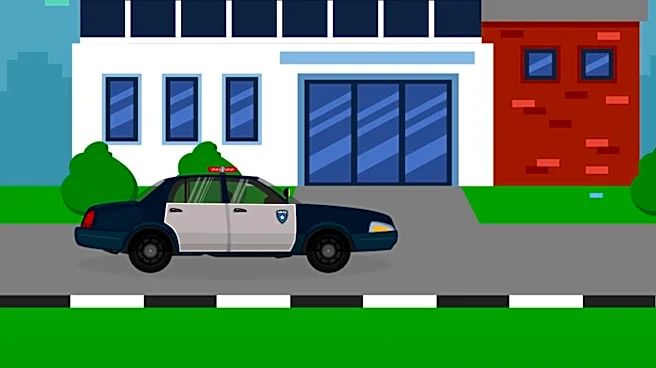
The San Diego Police Department's Southern Division station has temporarily closed its doors due to a potential mold issue within the building. This precautionary measure was taken to protect the health and well-being of both employees and community members.
The station, which serves areas including Nestor and Otay Mesa West, is currently undergoing assessment by city officials and the San Diego Police Department to determine the extent of the issue and necessary actions. While the physical station is closed, police services are continuing, with employees operating out of the Southeastern Division and responding to calls as usual. Walk-in services at the Southern Division are unavailable, and the public is advised to visit other nearby police stations for in-person assistance. For immediate emergencies, individuals should call 911, and non-emergency calls can be directed to 619-531-2000. This closure is part of a broader trend of mold issues affecting public buildings across San Diego County.
Why It's Important?
The temporary closure of a police station due to environmental health concerns highlights a significant public health and safety issue within San Diego County. The presence of mold in public buildings, including schools and now a police station, indicates a systemic problem that could impact the health of city employees and the public. For the community, the closure disrupts direct access to police services, potentially causing inconvenience and delays for residents seeking assistance with non-emergency matters or needing to file reports in person. While police operations continue from an alternate location, the lack of a local walk-in facility can create barriers, particularly for those without easy access to transportation or digital resources. Furthermore, the repeated occurrence of mold issues in various public facilities raises questions about building maintenance standards, environmental monitoring, and the allocation of resources for infrastructure upkeep, which could have long-term implications for public trust and city budgeting.
What's Next?
City officials and the San Diego Police Department are currently assessing the situation at the Southern Division station to determine the extent of the mold issue and the necessary remediation steps. The duration of the closure is unknown, as details about the assessment's completion are not yet available. The public will need to continue utilizing alternative police stations for walk-in services or contacting the department via phone for non-emergencies. It is likely that a comprehensive plan for mold removal and building restoration will be developed, which could involve significant financial investment and time. This incident may also prompt broader inspections of other public buildings in San Diego County to proactively identify and address potential mold problems, given the recent history of such issues in schools. Community members and police personnel will be awaiting updates on when the Southern Division station can safely reopen for full operations.
Beyond the Headlines
This incident extends beyond a simple building closure, touching upon broader issues of public infrastructure resilience and environmental health in urban settings. The recurring mold problems in San Diego County's public buildings suggest potential vulnerabilities in construction, maintenance, or climate adaptation strategies. With elevated temperatures and humidity, as noted by Dr. Richard Clark, Director of Toxicology at UC San Diego, conditions are becoming more conducive to mold growth, indicating a need for updated building codes or maintenance protocols to address changing environmental factors. The health implications for employees and the public exposed to mold, even temporarily, can range from respiratory issues to more severe allergic reactions, underscoring the importance of swift and thorough remediation. This situation also highlights the critical role of public services and the impact when their physical infrastructure is compromised, potentially leading to discussions about emergency preparedness for essential services and the long-term investment required to maintain healthy and safe public spaces.