





What's Happening?
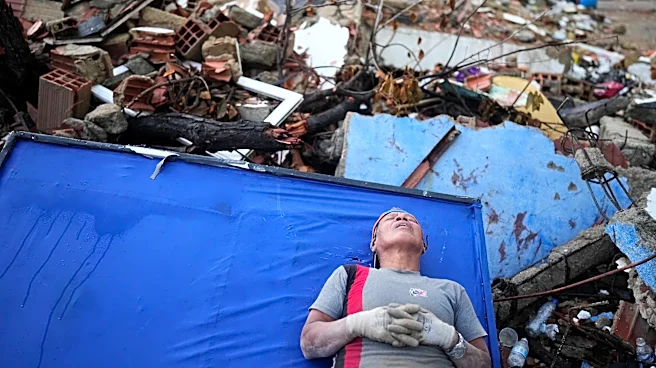
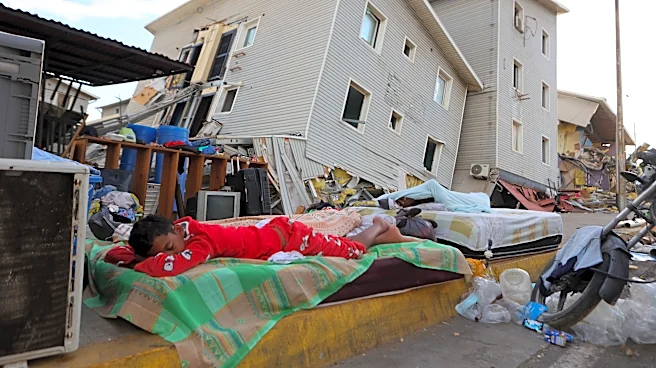
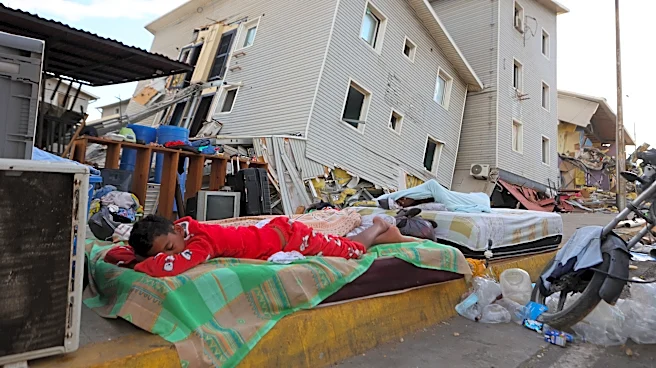
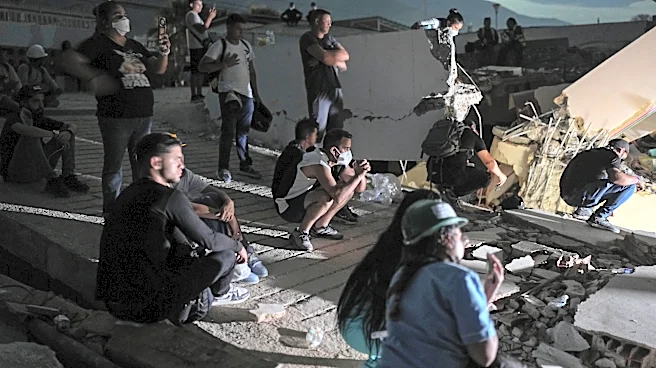
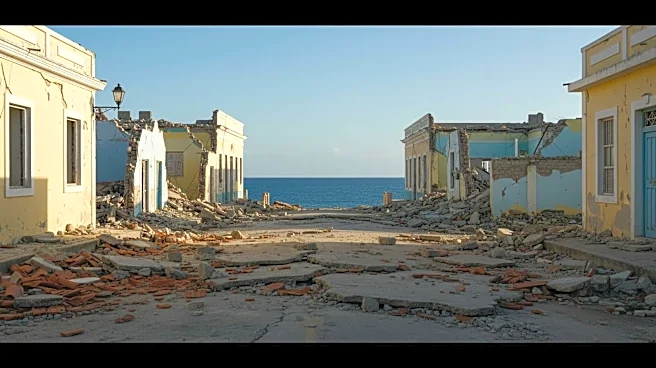
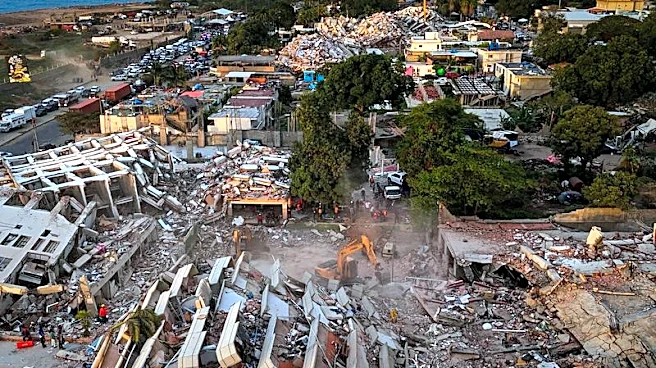
Venezuela is grappling with the aftermath of two powerful earthquakes that have devastated the Caribbean coast, resulting in over 2,200 deaths and more than 11,000 injuries. The response to the disaster has been criticized by international humanitarian
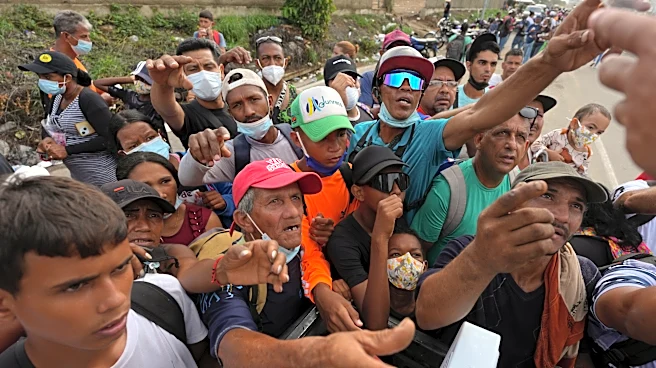
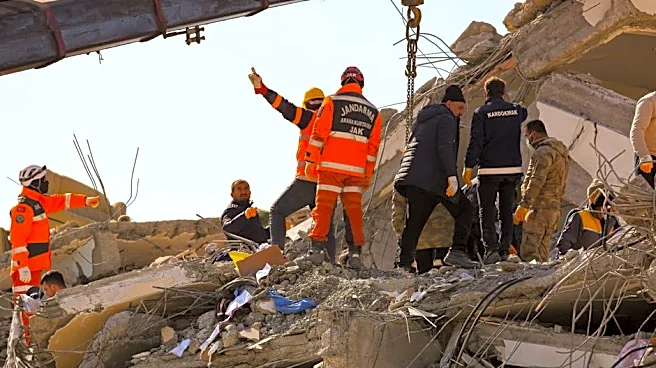
organizations for not meeting the vast needs created by the catastrophe. In La Guaira, one of the hardest-hit areas, makeshift morgues have been set up, and bodies are being identified by family members. The World Food Programme has provided food aid to 1,200 people, while the World Health Organization has reported significant damage to the healthcare infrastructure, with several health centers critically affected. Rescue efforts continue, but the focus is shifting towards recovery as hopes of finding more survivors diminish.
Why It's Important?
The inadequate response to the earthquakes highlights the challenges faced by Venezuela in managing large-scale natural disasters. The strain on the healthcare system and the slow pace of aid delivery underscore the country's vulnerability and the need for international support. The situation also raises concerns about the capacity of local and international agencies to coordinate effectively in crisis situations. The impact on the affected communities is profound, with many families losing loved ones and homes, exacerbating the humanitarian crisis in a country already struggling with economic and political instability.
What's Next?
As the recovery efforts continue, there is an urgent need for increased international assistance to address the immediate needs of the affected population. The Venezuelan government and international organizations are likely to face pressure to improve coordination and resource allocation to prevent further loss of life and alleviate suffering. The long-term rebuilding process will require significant investment and support from the global community to restore infrastructure and provide sustainable solutions for the displaced and affected families.