





What's Happening?
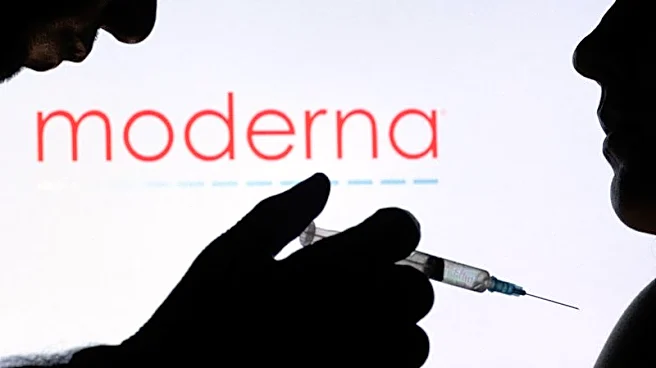
Merck and Moderna announced that a personalized mRNA-based cancer vaccine, when combined with Merck's Keytruda, has shown significant success in a large, late-stage trial for high-risk melanoma patients. This combination regimen is the first to demonstrate
the potential to extend the lifespans of melanoma patients whose cancer had been surgically removed. In Phase 3 trials, the treatment significantly reduced the risk of cancer returning or spreading. Earlier Phase 2b trials indicated a 49% reduction in melanoma recurrence and a 59% reduction in metastasization to distant organs. The vaccine works by using genetic information from a patient's individual tumor to identify and target the cancer's unique mutational fingerprint.
Why It's Important?
This development represents a significant advancement in cancer treatment, particularly for melanoma, which is the deadliest form of skin cancer with approximately 112,000 new cases expected in 2026. The use of mRNA technology, previously highlighted in COVID-19 vaccines, for personalized cancer therapy marks a new frontier in oncology. By tailoring the vaccine to each patient's specific tumor, this approach offers a highly targeted treatment that could improve outcomes for individuals who have undergone surgery for high-risk melanoma. The success of this combination regimen could establish a new standard of care, offering hope for extended survival and reduced recurrence rates for a challenging cancer type.
What's Next?
Merck and Moderna plan to present the full data from their trials at an upcoming international medical meeting and engage regulators on filing submissions for approval of the regimen. While the FDA has not yet approved the vaccine, experts like Dr. Ahmad Tarhini, an oncologist at the H. Lee Moffitt Cancer Center & Research Institute, anticipate approval based on the very positive trial results, with potential availability to patients by early 2027. The companies will need to navigate the regulatory review process, providing comprehensive data to the FDA. Furthermore, treatments utilizing mRNA technologies are being explored for other forms of cancer, including bladder, kidney, lung, stomach, and pancreas cancers, suggesting a broader application of this personalized approach in the future.
Beyond the Headlines
The success of this personalized mRNA cancer vaccine could usher in a new era of precision oncology, where treatments are increasingly tailored to the individual genetic makeup of a patient's tumor. This approach moves beyond broad-spectrum therapies, potentially reducing side effects and increasing efficacy. It also underscores the transformative potential of mRNA technology, demonstrating its versatility beyond infectious diseases. However, the logistical and economic challenges of developing and delivering highly individualized treatments will need to be addressed, including the cost of genetic sequencing and personalized vaccine production. This breakthrough could also stimulate further research into neoantigen therapies and combination treatments, accelerating the development of more effective and less toxic cancer interventions.