



What's Happening?
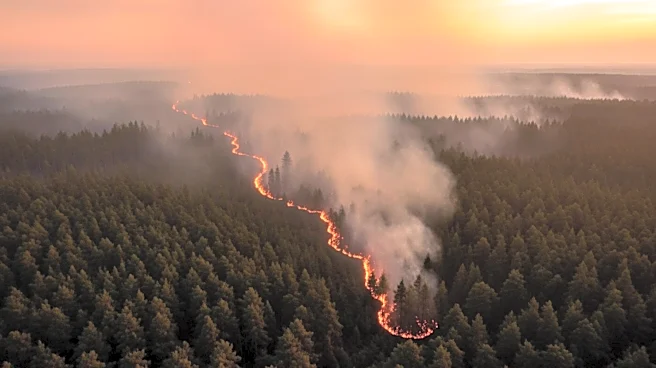
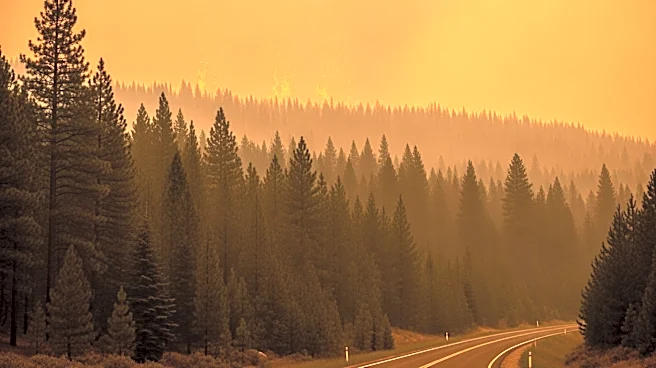
Active wildfires in Colorado and Minnesota have led to emergency responses, including mandatory evacuations and the mobilization of the National Guard. In Minnesota, the Flanders Fire in Crow Wing County has rapidly expanded, burning approximately 2,100
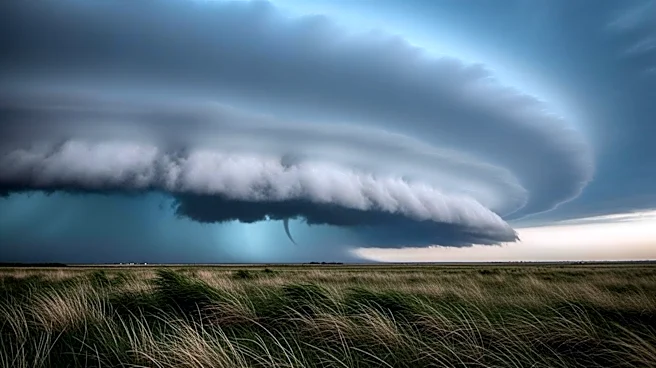
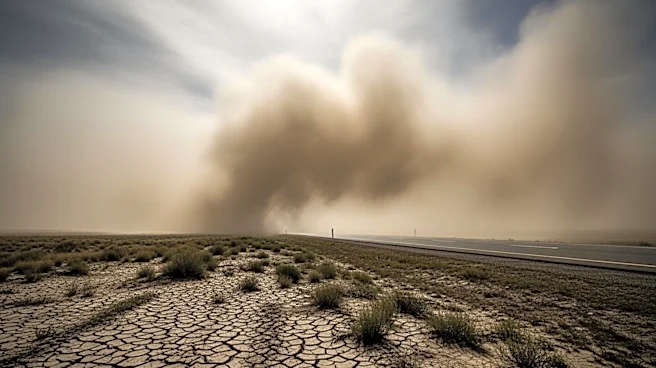
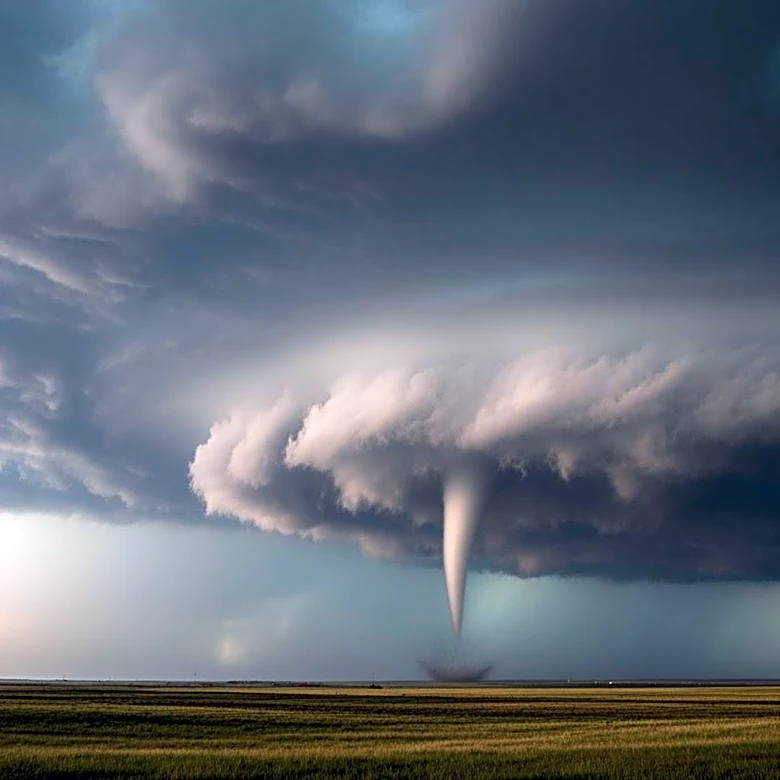
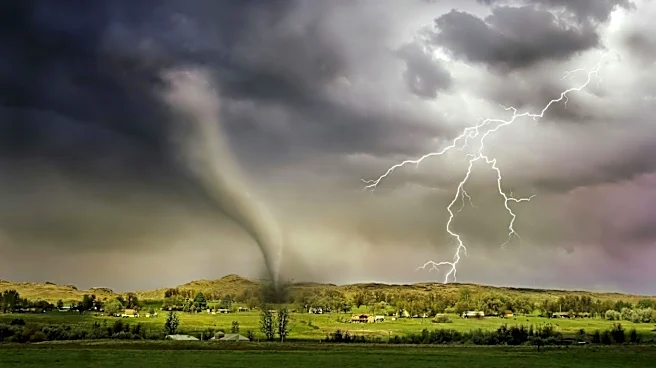
acres with zero percent containment. Governor Tim Walz has deployed the National Guard to assist with evacuations. Meanwhile, in Colorado, the Sharpe Fire has prompted the evacuation of Baca County, affecting around 3,500 residents. The fire, which originated in Oklahoma, has burned about 520 acres in Colorado and is not contained. The National Weather Service has issued a Dangerous Fire Condition alert for the Southern High Plains, with severe weather advisories in the Central Plains and Upper Midwest.
Why It's Important?
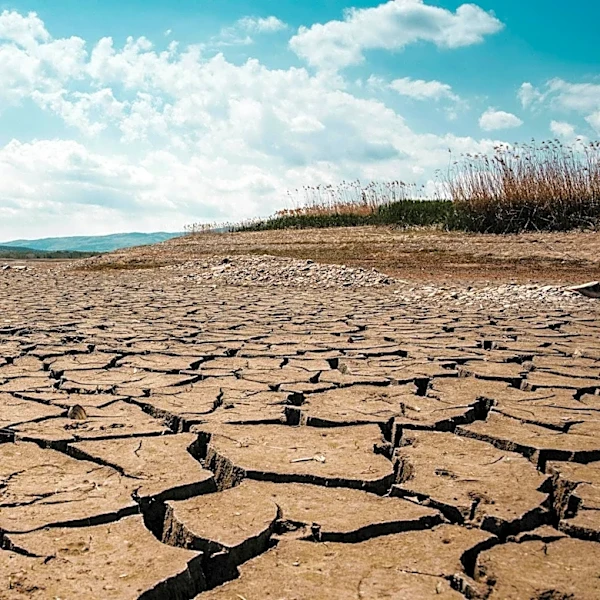
The wildfires highlight the increasing frequency and intensity of fire seasons in the U.S., exacerbated by climate change and arid conditions. The deployment of the National Guard underscores the severity of the situation and the need for coordinated emergency responses. These fires pose significant risks to communities, infrastructure, and natural resources, potentially leading to economic losses and displacement of residents. The situation also stresses the importance of preparedness and resource allocation for firefighting efforts, as well as the need for policies addressing climate resilience.
What's Next?
Authorities will continue to monitor the fires and adjust evacuation orders as necessary. Efforts to contain the fires will involve local, state, and federal resources, including firefighting teams and equipment. The situation may prompt discussions on improving fire management strategies and increasing funding for emergency services. Residents in affected areas will need to stay informed about evacuation routes and safety measures. The fires may also influence future policy decisions regarding land management and climate adaptation strategies.