





What's Happening?
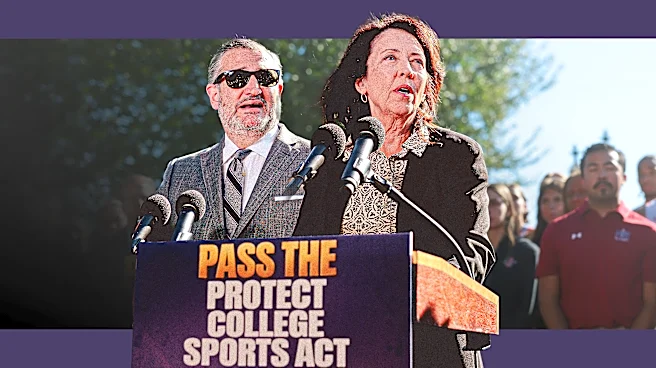
U.S. Senator Chris Murphy (D-Conn.), who serves as Deputy Secretary of the Senate Democratic Caucus, is a leading critic of a bipartisan bill in Congress aimed at establishing national standards for college sports. Senator Murphy argues that the proposed
legislation prioritizes coaches and executives over student athletes, potentially exploiting them. He views the bill as a civil rights issue, particularly affecting Black student athletes, who often represent a significant portion of the most valuable players in college sports. Murphy contends that the bill seeks to protect a system where billions of dollars are generated by the industry, largely benefiting white individuals in positions of power, while suppressing compensation and rights for predominantly Black athletes. Despite his opposition and that of other critics, including labor groups and the NAACP, the Senate advanced the bill in a procedural vote with a comfortable margin. Both Connecticut's U.S. senators voted against the measure.
Why It's Important?
This legislative debate highlights a significant tension within the multi-billion dollar college sports industry regarding athlete compensation, rights, and the distribution of revenue. Senator Murphy's characterization of the bill as an 'effort to protect a system of exploitation' underscores concerns about economic inequality and racial disparities in college athletics. The bill's supporters, including NCAA leadership and professional sports leagues, argue it will bring order to what they describe as the 'chaos' within college athletics by setting standards for player transfers and compensation. However, critics like Murphy believe it limits athlete empowerment and fails to address fundamental issues of fair compensation and long-term health and educational security for student athletes. The outcome of this legislation could redefine the landscape of college sports, impacting how athletes are compensated, their ability to transfer, and the overall financial structure of collegiate athletic programs across the U.S.
What's Next?
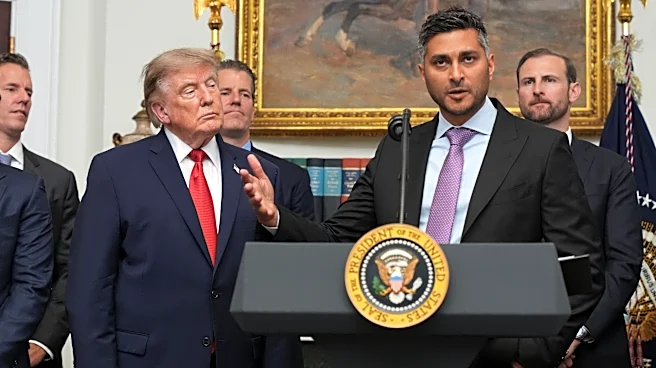
The bipartisan college sports bill has advanced through a procedural vote in the Senate, indicating continued momentum despite significant opposition. The Senate is expected to continue its work on the issue before the end of the month, with a short window remaining in the current session before a lengthy recess. The bill requires 60 votes to clear a filibuster in subsequent procedural votes before moving to final passage, necessitating bipartisan support. While more than two dozen Democratic senators have backed the legislation, the extent of Democratic support remains fluid, and some Republican lawmakers may seek to attach amendments. Even if the bill passes the Senate, its fate in the House of Representatives is uncertain, as the House is scheduled to leave town through the midterm elections. President Trump has expressed support for the legislation and would sign it into law if it reaches his desk.
Beyond the Headlines
The debate surrounding the college sports bill extends beyond immediate legislative outcomes, touching upon deeper ethical and societal implications. Senator Murphy's framing of the issue as a civil rights concern, particularly for Black student athletes, brings to light historical power imbalances and economic injustices within collegiate athletics. The discussion about collective bargaining rights for athletes, as advocated by Murphy and labor groups, suggests a potential paradigm shift in how student athletes are viewed—from amateurs to individuals with professional rights and economic interests. The bill's provision for a federal grant program for Historically Black Colleges and Universities (HBCUs), which the NAACP president called an 'attempt to buy off members of the Congressional Black Caucus,' further complicates the ethical landscape, raising questions about the true intent and impact of such measures on minority institutions and athletes. This legislative push could set precedents for future discussions on athlete welfare, labor rights, and racial equity in sports.