



What's Happening?
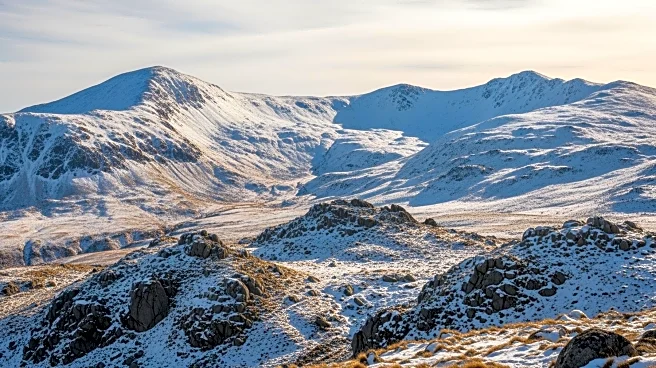
The Western United States is experiencing an unusually warm winter, leading to a significant snow drought across the region. This has resulted in open golf courses, canceled ice fishing events, and closed ski runs. The lack of snow is particularly concerning
in the Rocky Mountains, where it could lead to reduced water supply from the Colorado River, increased wildfire risks, and economic impacts on resort towns. The warm conditions have been attributed to a high-pressure ridge that has diverted storms away from the region, leaving areas like Colorado with record-low snowpacks.
Why It's Important?
The warm winter in the Western U.S. has far-reaching implications for water resources, wildlife, and the economy. Reduced snowpack means less water for millions of people who rely on the Colorado River, potentially affecting agriculture, drinking water supplies, and hydropower generation. The economic impact on ski resorts and related businesses is significant, with potential job losses and decreased tourism revenue. Additionally, the increased risk of wildfires poses a threat to communities and ecosystems already vulnerable due to long-term drought conditions.
What's Next?
As the winter progresses, there is hope for improved snow conditions later in the season, which could mitigate some of the negative impacts. However, the current situation highlights the need for adaptive strategies to manage water resources and support affected industries. Local governments and businesses may need to explore alternative recreational activities and economic opportunities to offset the losses from reduced winter tourism. Long-term, addressing climate change and its effects on weather patterns will be crucial to preventing similar situations in the future.