


What's Happening?
VIA Metropolitan Transit in San Antonio has reported a 10.1% surge in ridership from January through August compared to the same period last year, according to data from the Federal Transit Administration. This growth is attributed to the agency's 'Better
Bus Plan,' a five-year overhaul initiated in April of last year. The plan has involved increasing the frequency of 38 routes, extending hours for at least 11 routes, and aims to reduce wait times to 30 minutes or less across the entire network. VIA's President and CEO, Jon Gary Herrera, stated that the agency is 70% complete with the plan and has set an ambitious goal of reaching 50 million annual rides within seven years. The success follows a period of decline, with ridership plummeting during the 2010s and further impacted by the COVID-19 pandemic. The agency has also overcome a driver shortage, now employing 1,050 full-time drivers, up from 842 in June 2025.
Why It's Important?
This ridership increase for VIA Metropolitan Transit is significant as it demonstrates a successful recovery and growth trajectory for a major U.S. public transit system post-pandemic. While other major metro systems like Austin's CapMetro and Dallas's DART experienced declines, VIA's growth highlights the potential impact of strategic service improvements and investment in public transportation. The success of the 'Better Bus Plan' could serve as a model for other cities grappling with declining ridership and driver shortages. Increased public transit use can lead to reduced traffic congestion, lower carbon emissions, and improved accessibility for residents, particularly those who rely on public transport for work and daily activities. The agency's ability to overcome a driver shortage also provides valuable insights for the broader transportation sector facing similar labor challenges.
What's Next?
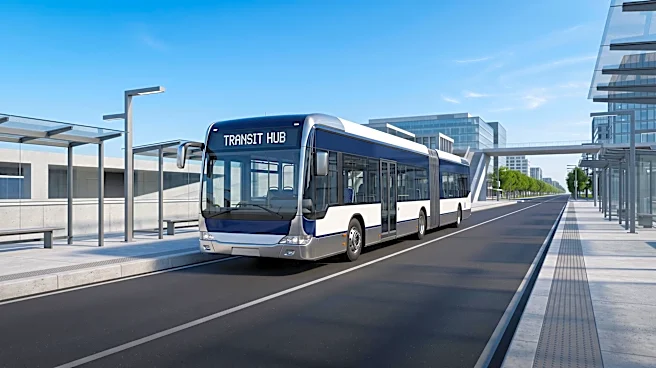
VIA Metropolitan Transit plans to roll out the next round of service improvements in January. Beyond these immediate changes, the agency is heavily focused on the development of two rapid bus lines: the Green Line and the Silver Line. The Green Line is currently under construction and is expected to open in April 2028, while the Silver Line, which is not yet funded, is projected to begin running in 2031. These projects, with a total price tag of $878.8 million, are largely funded by federal grants and are anticipated to revolutionize local transit by operating in dedicated lanes with traffic signal priority, offering 10-minute weekday frequencies. VIA is also considering a fare increase, with an analysis of its fare structure underway throughout the current fiscal year, to help cover the escalating costs of these planned rapid lines. The agency aims to attract enough new riders with these lines to achieve its 50 million annual trips goal.
Beyond the Headlines
The success of VIA's 'Better Bus Plan' and its ambitious future goals, particularly the rapid transit lines, touch upon broader urban planning and societal implications. The agency's efforts to entice drivers to switch to public transit reflect a growing national conversation about sustainable urban development and reducing reliance on personal vehicles. The integration of rapid transit lines with existing bus routes, as the Green Line will link with 48 of the agency's 75 daytime bus routes, signifies a strategic approach to creating a more cohesive and efficient public transportation network. This development could influence housing patterns, economic development along transit corridors, and overall urban livability. The challenge of funding and securing federal grants for such large-scale projects also highlights the ongoing need for robust public investment in infrastructure to support growing populations and evolving transportation needs in U.S. cities.