

What's Happening?
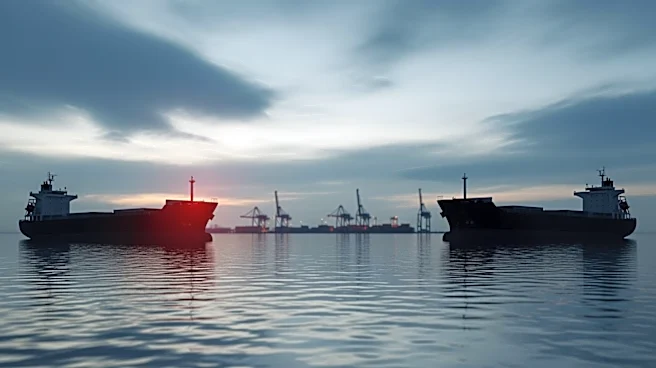
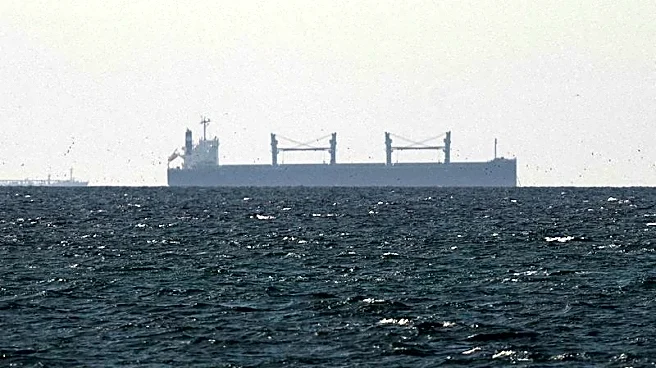
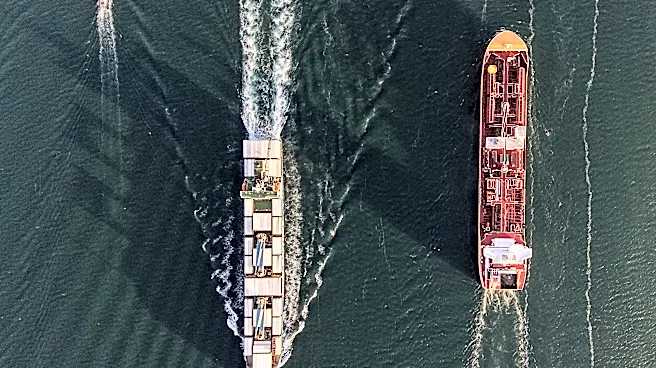
The U.S. Federal Maritime Commission (FMC) is closely monitoring a significant increase in the detention of Panama-flagged vessels by China. This development is linked to a recent ruling by Panama's Supreme Court, which invalidated a 1997 concession allowing
Hong Kong-based CK Hutchison to operate key terminals at the Panama Canal. The detentions, which have reached nearly 70 since March 8, are seen as a response to the court's decision. U.S. Secretary of State Marco Rubio expressed concerns that China's actions could undermine the rule of law in Panama, a critical partner in global commerce. The U.S. has reaffirmed its support for Panama and its commitment to expanding economic and security cooperation.
Why It's Important?
The detentions of Panama-flagged vessels by China could have significant implications for international trade and diplomatic relations. The Panama Canal is a vital global trade route, handling about 5% of the world's maritime trade. Disruptions in its operations could affect global supply chains and economic stability. The U.S.'s firm stance with Panama highlights the geopolitical tensions between the U.S. and China, particularly regarding influence in strategic regions. This situation underscores the broader context of U.S.-China relations, where economic tools are increasingly used as leverage in international disputes.
What's Next?
The situation may lead to further diplomatic engagements between the U.S., Panama, and China. The U.S. might explore additional measures to support Panama, potentially involving international arbitration or economic aid. China's response to the U.S. and Panama's actions will be crucial in determining the next steps. The ongoing detentions could prompt discussions at international forums about maritime law and the use of economic measures in geopolitical conflicts.