





What's Happening?
In Iowa, concerns over high nitrate levels in drinking water have led to increased interest in reverse osmosis (RO) systems. These systems, which use pressure to filter water through specialized membranes, are being adopted by residents like Katie Turpin
in Des Moines to reduce nitrate levels in their water supply. Despite the effectiveness of RO systems in lowering nitrate concentrations, the high cost of installation and maintenance makes them inaccessible for many. The Iowa Environmental Council (IEC) and other experts emphasize that while RO systems can mitigate individual exposure to nitrates, they do not address the broader issue of water quality in the state. The IEC advocates for expanded state programs to subsidize water treatment systems for low-income residents and calls for a comprehensive approach to reduce pollution at its source.
Why It's Important?
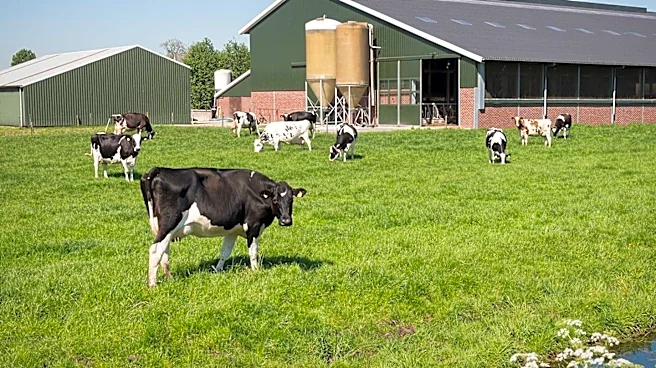
The issue of nitrate contamination in Iowa's water supply is significant due to its potential health impacts, including increased risks of cancer and other diseases. The reliance on RO systems highlights a gap in public health protection, as not all residents can afford such solutions. This situation underscores the need for systemic changes in water management and pollution control. The high nitrate levels are primarily attributed to agricultural runoff, which suggests that addressing the root causes of pollution could lead to more sustainable and equitable solutions. The ongoing discussions and reports by the IEC and other stakeholders aim to influence policy changes that could improve water quality and public health outcomes across the state.
What's Next?
Future steps involve expanding state programs to provide financial assistance for water treatment systems to low-income households. Additionally, there is a push for more robust water quality monitoring and the implementation of agricultural practices that reduce nitrogen runoff. The IEC and other organizations are advocating for a comprehensive strategy that includes mapping watersheds to identify pollution sources and implementing targeted interventions. These efforts require collaboration between state leaders, environmental groups, and the agricultural sector to create effective and lasting solutions to Iowa's water quality challenges.